
Counselling Therapist (Private Practice) Diploma
Online with 15 days in-person
Typically $80-$100/client an hour in Private Practice
Start: October
94 weeks, including 100 hours of online supervised counselling practice
Canadian Professional Counsellors Association (CPCA) and Association of Cooperative Counselling Therapists of Canada (ACCT)
Articulation agreement with Athabasca University
About the Career
Whether supporting someone through a challenging time, motivating them to achieve their goals, or guiding them to personal insights, a counsellor helps others to change their own lives. This program will enhance your existing skill set and expertise in careers that work with people, such as: human resources; career counselling; customer service; and health care professionals.
Our graduates meet the requirements for registration with the Canadian Professional Counsellors Association (CPCA) and the Association of Cooperative Counselling Therapists of Canada (ACCT). As candidate members of either association, our graduates can work as counsellors under supervision, while pursuing a Registered Professional Counsellor or Registered Therapeutic Counsellor designation.
This rewarding career offers the opportunity to make a profound difference in people's lives by providing support, guidance, and therapeutic interventions that help individuals achieve their personal and mental health goals.
Please note: This program is not eligible for the post-graduate work permit program.
Potential Employers
Whether supporting someone through a challenging time, motivating them to achieve their goals, or guiding them to personal insights, a counsellor helps others to change their own lives.
Employee assistance programs (EAP)
Private practice
Health and wellness clinics
Treatment centres
Government
Not-for-profits organizations
About the Program
All theory courses will be delivered online, allowing you to study from the comfort of your home. Clinical skills practice courses are delivered face-to-face at our Surrey campus three times during the program, and each course is one week in length (3 weeks total face-to-face).
Students will be required to attend in-person classes for hands-on training during the first three terms of the program:
- Term 1: 5 days on campus
- Term 2: 5 days on campus
- Term 3: 5 days on campus
There is a practicum one day a week throughout terms 3 and 4 of the program. Students will complete 100 direct client hours supported by 20 hours of clinical supervision. Student interns will start their practicum internally at the Stenberg Wellness Centre where they meet with clients virtually. Students will have a Clinical Supervisor with additional support from the Practice Education Team throughout their learning journey.
Our Counselling Therapist program is built on a foundation of reflective, and ethical practice. You will develop an understanding of the biological, psychological, and social underpinnings of everyday human problems and mental health issues, as well as frameworks to change them. Under the guidance of expert counsellor instructors and practicum supervisors, you will apply and deepen your learning throughout the program with in-class role plays and weekly integrated practicum hours with real clients.
Related Programs
Articulation Pathways
Continue your education with direct pathways to advanced diplomas and degree programs at leading Canadian institutions.
British Columbia Institute of Technology
Advanced Diploma & Bachelor's Degree Pathway
Our Counselling Therapist diploma program has an articulation agreement with BCIT. Graduates are eligible to apply for BCIT's Advanced Diploma in Business Management, preparing you to successfully run a private practice.
Your Educational Journey:
Stenberg Counselling Therapist Diploma
94 Weeks Full-Time
BCIT Advanced Diploma in Business Management
1 Year Full-Time
BCIT Bachelor of Business Administration Degree
1 Year Full-Time
After completing BCIT's Business Management Advanced Diploma, students have the option to enroll in BCIT's Bachelor of Business Administration (BBA), earning a degree that emphasizes critical and strategic thinking.
Athabasca University
Bachelor's & Master's Degree Pathway
Your Educational Journey:
Stenberg Counselling Therapist Diploma
94 Weeks Full-Time (60 transfer credits)
Athabasca University Bachelor of Professional Arts Degree
60 Credits (2 years full-time online)
Athabasca University Master of Counselling (Optional)
36 Credits (3.5 years full-time)
Graduates are eligible for advanced entry into Athabasca University's Bachelor of Professional Arts (BPA), with majors available in:
- Governance, Law and Management
- Criminal Justice
- Communications
- Human Services
* Additional qualifications beyond a degree must be met for admission into Athabasca's Master of Counselling program. This articulation is based on a review of Stenberg College's 2021 Counselling Therapist curriculum.
Accreditation and Recognition
Stenberg College is designated by the BC government's Ministry of Advanced Education through the Private Training Institutions Regulatory Unit (PTIRU). This program is approved by the PTIRU of the Ministry of Post-Secondary Education and Future Skills. PTIRU is responsible for setting standards of quality and ensuring consumer protection. Stenberg College has also received the BC government's Education Quality Assurance (EQA) designation, which is BC's brand or "seal" of quality post-secondary education for public and private institutions.
Admission Requirements
- Grade 12 graduation or Mature Student Status (19 years of age or older)
- Grade 12-level English course or higher, or one of the following: Acceptable score in one of the approved LPR tests as noted below. Accuplacer: Reading 240, Writing 240 and WritePlacer 4 CLBPT: No component less than 7 English challenge exam (minimum 70%)
- Completion of a Criminal Record Consent Form under the Criminal Record Review Act
- Successful completion of a short‐written essay (minimum 70%)
- Acceptable Medical Examination Form completed by a Regulated Medical Professional
Please note: Counselling Therapist is not a career listed under the British Columbia Professional Regulatory Authorities.
English is the language of instruction at Stenberg College. Therefore, all applicants must demonstrate an adequate level of English proficiency to ensure success in their chosen program by meeting ONE of the following requirements:
- 1) Evidence of completion of 3 years of full-time Secondary if Grades 8-12, or 2 years of Secondary if Grades 10-12, or 2 years of Post-Secondary education in English in a country where English is one of the principal languages. (Language courses cannot be included in this calculation)
- OR 2) Submit the results of one of the accepted English language proficiency tests at the score level specific to the program as listed in the admission requirements. IELTS Academic – Overall band score of 6.5 with no component less than 6.0 Duolingo – Overall score of 115 with no component less than 95 CELPIP – Overall score of 8 with no component less than 7 TOEFL – Minimum overall score of 79 CAEL – Minimum overall score of 60 Pearson PTE Academic - Minimum overall score of 55
- OR 3) Mature students that are 19 years of age or older at the start of the program and a Canadian citizen or permanent resident who cannot access their educational records or provide sufficient evidence of secondary or post-secondary education as outlined above can:a. complete an English Language Attestation to confirm completion of 3 years of full-time instruction in English in a country where English is one of the principal languages, ANDb. complete an Accuplacer Next Generation English Assessment with minimum scores of:Reading 240, Writing 240 and WritePlacer 4
Evidence may be demonstrated by providing a high school transcript, completion of a provincial Adult Graduation program, permanent student record, GED, or by providing international education credentials confirming medium of instruction in English as recognized through WES, ICES, or IQAS. Alternatively, where 2 years of post-secondary education are being determined based on credits, it is expected that the student has taken studies with a minimum of 18 credits per academic year and/or indicates completion of a minimum of 36 credits in total.For regulated programs, language proficiency requirements, including permitted tests and scores dictated by the regulatory body, will supersede all else.A transcript can be used as evidence of meeting requirement option 1. Those educated in BC may access transcripts using their Personal Education Number (PEN).
Student Diversity
Stenberg supports diversity in our student population, and we hold one seat per program for a self-identified Indigenous applicant who meets admission requirements. If the seat remains unfilled at 12 weeks prior to the program start, the seat will be released and offered to other qualified applicants.
Program Courses
Orientation and Student Success Skills
This course will provide a comprehensive orientation to Stenberg College and the Counselling Therapist Program you are enrolled in. In addition to orienting you to Stenberg College resources, policies, and procedures, this course will explore the transition to postsecondary education, learning styles, critical thinking, and citation and referencing. You will undertake self-evaluation, set learning and study strategy goals, and investigate the resources available to support you in achieving those goals.
Foundational Counselling Skills & Techniques
In this course, you will begin to speak the language of the counselling profession as you learn about the history of counselling, develop foundational counselling skills, and explore foundational counselling techniques including a spotlight on mindfulness.
Research in Counselling Therapy
In this course, you will learn about the foundations of social science research, including the difference between qualitative and quantitative methods, informal and formal inquiry, and various research methodologies. You will also learn how to conduct research, analyze research findings, and apply it to clinical situations. This course will also focus on the importance of ethics in research.
Lifespan Development
In this course you will learn the fundamental principles and theories of lifespan development that guide mental health professionals in their work with diverse populations. You will examine the human lifespan from birth until end of life from a biopsychosocial perspective, as it develops in the areas of cognition, emotion and social cultural conditioning. It is important to master the concepts of human development research in order to achieve best competency-based practice.
Introduction to Neuroscience
In this course you will investigate the structure and function of the nervous system including memory, problem solving, and decision making. You will discuss neuroplasticity and the effect that trauma and other events can have on the brain.
Caring for the Caregiver through the Practice of Self Care
In this course, you will learn about the importance of self-care for a counsellor. You will learn about and experiment with various self-care tools including life assessment, journals, mindfulness, and gratitude. You will learn the importance of identifying triggers and seeking support from your supervisor as part of your self-care routine.
Professional Practice, Legal Issues & Ethics in Counselling Practice I & II
In this course, you will acquire a basic understanding of what constitutes ethics. Through the counselling profession's Code of Ethics, Standards of Practice, and other relevant literature on ethical decision making you will be able to describe what makes an ethical issue and how to respond to various ethical issues.
Simulated Counselling Skills Practice I
In this course, students will have the opportunity to apply all skills taught throughout Term I. Students will have the opportunity to gain feedback from their peers and instructor on their role-plays, presentations, and skillsets.
Exploring different therapeutic approaches and counselling interventions.
Therapeutic Modalities I: Foundations
In this course, you will discover a variety of therapeutic modalities. You will also learn about some of the ways these modalities are integrated, expanded upon, and adapted in practice and begin to reflect on which modality you will work from in your own work as a Counsellor. You will then explore one of these modalities in greater depth in a later course, Therapeutic Modalities II: Advanced Study.
Therapeutic Modalities II: Advanced Study
In this course, you will expand on what you have learned about the varying approaches to counselling treatment systems in Intro to Therapeutic Modalities and Therapeutic Modalities I: Foundations. As you begin to plan for your own counselling practice, you will select one therapeutic modality that you would like to explore further and implement in your future work. With your instructor's guidance and peers' feedback, you will conduct an independent study project researching, reflecting on, and planning potential implementations of this modality.
Introduction to Psychopathology & Psychopharmacology
This course is designed to help you understand the basics of psychopharmacology including drug effects and interactions, principles of pharmacokinetics and neuroscience. This course studies the common psychotropic drug used in the treatment of mental health disorders and the effects on human behaviour. You will also cover an overview of common psychopathological conditions and be introduced to the DSM-5 classification system.
Counselling Assessments
This course explores a number of different assessment tools and techniques including initial interviews, mental status examinations, functional, personality and behavioural assessments. You will learn the basic statistical concepts that underlie the use and interpretation of common assessment tools. Ethical and legal issues will be considered along with the needs of diverse populations. You will critically engage with the assessment process to understand the role of the counsellor and appropriate use of assessment.
Counselling Interventions
In this course, you will learn about a variety of affective, behavioural, and systemic interventions including daily mood logs, relaxation strategies, interpersonal coping strategies, empty chair, voice dialogue, sand play, and vision boards. You will be able to demonstrate and apply these interventions independent of theoretical orientation.
Individual Counselling
In this course, you will have the opportunity to take the skills learned in Foundational Counselling Skills and Techniques to an advanced level and tie together what you have learned throughout Term 2. You will apply your skill set over several counselling sessions and examine the structure of the counselling relationship over time.
Simulated Counselling Skills Practice II
In this course, students will have the opportunity to apply all skills taught throughout Terms I & II. You will practice these skills through case studies, role plays, one-on-one sessions and small group discussions and receive feedback from your instructor and peers.
Case Management
In this course you will be equipped with the tools and skills necessary to manage your patient load and schedule, manage documentation, assess and evaluate your clients' needs, collaborate and consult with other health care and human service professionals, and share plans of action with your clients.
Specializing in specific counselling areas and populations.
Child & Youth Counselling
In this course, students will learn how to assist children and youth through challenges, mental health issues, and achievements. Students will have the opportunity to explore the effects of bullying, social media, peer pressure and low self-esteem. Students will gain knowledge in the form of lectures, role plays, and hands on experience.
Family Counselling
Family Counselling is a type of therapy that can help families with any issues they may be facing. Through viewing the family as a whole unit, the counsellor can assist the family to improve their relationships, work through struggles, face challenges, and explore changes in a way that does not simply have the problem go away, but make the family stronger. By providing all family members with a voice in the counselling process, the counsellor, along with the family members, will be able to recognize the family patterns, build on a positive, and develop alternatives or solutions.
Group Counselling
When several individuals come together to work through a similar concern with a Counsellor, this is considered Group Counselling. This course will give you the foundation needed to facilitate group sessions. You will learn both theoretical and experiential approaches, focusing on group development, group process, leadership styles, issues faced by the leaders, self disclosure, and the steps needed to create a proposal for hosting a group.
Loss & Grief Counselling
In this course, you will learn a strength-based approach to assist individuals experiencing several levels of grief. Through looking at the effects of grief to the cognitive, emotional, behavioural, physiological, and social functions of an individual, you will determine the best interventions, whether one on one counselling or group work. Students will reflect on their personal values and beliefs that may affect working with different cultures.
Diversity & Cultural Counselling
This course will enhance your ability to work with people of diverse ages, races, gender, sexual orientation, religion, culture, and backgrounds. You will examine your own beliefs and biases and learn to recognize when these may interfere with your ability to display unconditional positive regard and build a therapeutic alliance with your clients. You will learn how understanding and working within a client's belief system and identity can enhance counselling and strengthen your ability to communicate in a culturally sensitive and inclusive manner.
Relationship & Intimacy Counselling
In this course, you will learn about the various stages of a relationship and human sexuality. Throughout this course, you will explore the principles of a healthy relationship, conflicts within a relationship, and more. You will develop your own style of handling difficult conversations around infidelity, sexual issues, and separation/divorce. You will gain knowledge in the meaning of physical, mental, and emotional intimacy.
Trauma & Crisis Counselling
You will learn the foundational techniques and skills needed to assist clients with trauma and crisis situations. You will explore the impact that trauma has on the brain, the body, and emotions. This course will provide you with an understanding of several different theories and models used during trauma therapy and crisis intervention. You will learn the importance of assessments and will be able to provide a client with resources and referrals.
CBT – Cognitive Behavioural Therapy
In this course, you will gain the foundational skills of Cognitive Behavioural Therapy. You will be able to assist clients in the process of changing or challenging their thought process, and how they feel about their thoughts and the behaviours that follow. Throughout this course, you will explore belief systems, needs versus wants, and automatic thoughts.
Lifestyle & Career Development Counselling
In this course, you will learn techniques to assist clients in exploring their career options by considering their strengths, beliefs, barriers, and lifestyle. By integrating personal and career counselling, you will be able to assist clients to understand the need for a well balanced personal and professional life.
Special Topics in Counselling
In this course, you will be introduced to some of the hot topics in the counselling field. Topics will change to respond to changes in the industry and may feature guest lectures by experts working with these special topics. Throughout this course you are encouraged to conduct independent research and bring your findings to class for discussion.
Simulated Counselling Skills Practice III
In this course you will have the opportunity to integrate and apply the skills taught throughout terms I, II, and III. You will practice these skills through case studies, role plays, one-on-one sessions and small group discussions and receive feedback from your instructor and peers.
Integrated Counselling Practicum
You will begin your integrated counselling practicum within the Stenberg Wellness Centre. As you gain experience and meet benchmark requirements, you may also be provided the opportunity to research and pursue experiences focusing on your area of interest. Minimum of 100 hours Direct Client Contact Hours.
Industry Certifications
Students will complete a series of workshops on Provincial Violence Prevention Curriculum (PVPC), San'yas Anti-racism Indigenous Cultural Safety Training Program (BC Core Mental Health), Personal & Professional Development, and the DSM-5, and ICD-10.
Professional Practice, Legal Issues & Ethics in Counselling Practice III
In this course, you will learn about professionalism, supervision and consultation, and ethical considerations for private practice, and you will engage in reflective practice. You will also review and apply course concepts from Professional Practice, Legal Issues, & Ethics in Counselling Practice I & II through role-play, debate, and group problem-solving.
Case Management
In this course, you will be equipped with the tools and skills necessary to manage your patient load and schedule, manage documentation, assess and evaluate your clients' needs, collaborate and consult with other health care and human service professionals, and share plans of action with your clients.
CPCA Exam Preparation
This course is designed to prepare you for the Canadian Professional Counsellors Association (CPCA) Qualifying Examination, a requirement for membership with this association.
Integrated Counselling Practicum
In addition to classroom and skills practice hours, students complete a practicum whereby they provide direct client counselling services.
Business Development & Management for a Thriving Counselling Practice
This course will give you the skills to launch and manage a private counselling practice, from the process of registering your small business to creating service contracts to managing and maximizing your incoming calls.
Private Practice Marketing & Financial Procedures
In this course you will learn to leverage your personal brand as a professional counsellor to build clientele. You will learn about branding and various marketing tools from word of mouth referrals to social media and develop your marketing plan. You will consider the factors that shape your potential clients' first impression of you and your practice and develop the content they will first come into contact with including a website, voicemail, and email auto-responder. You will gain an understanding of how to collect and track payments and expenses in a private counselling practice. You will be introduced to the procedure of filing taxes for your practice and review software available to aid you in billing and accounting. Best practices for communicating with clients about fees and payment procedures will also be discussed and rehearsed through role play.
Student Support
- Academic tutoring
- Assessment and skill development support
- Open study skills tutorials
- Typing practice support
- One-on-one student support coaching sessions
- English language learning support
- Online learning resources
- Online academic journals and databases
- Campus life events
Stenberg Wellness Centre
As part of your practicum, you'll gain hands-on experience at the Stenberg Wellness Centre, providing free virtual counselling services to the community.
This is where our student intern counsellors put their skills into practice, helping real clients on their journey towards emotional wellness. The Wellness Centre offers accessible mental health support for everyone, regardless of background or circumstance. It's a place where you'll make a real difference while building the experience you need for your career.
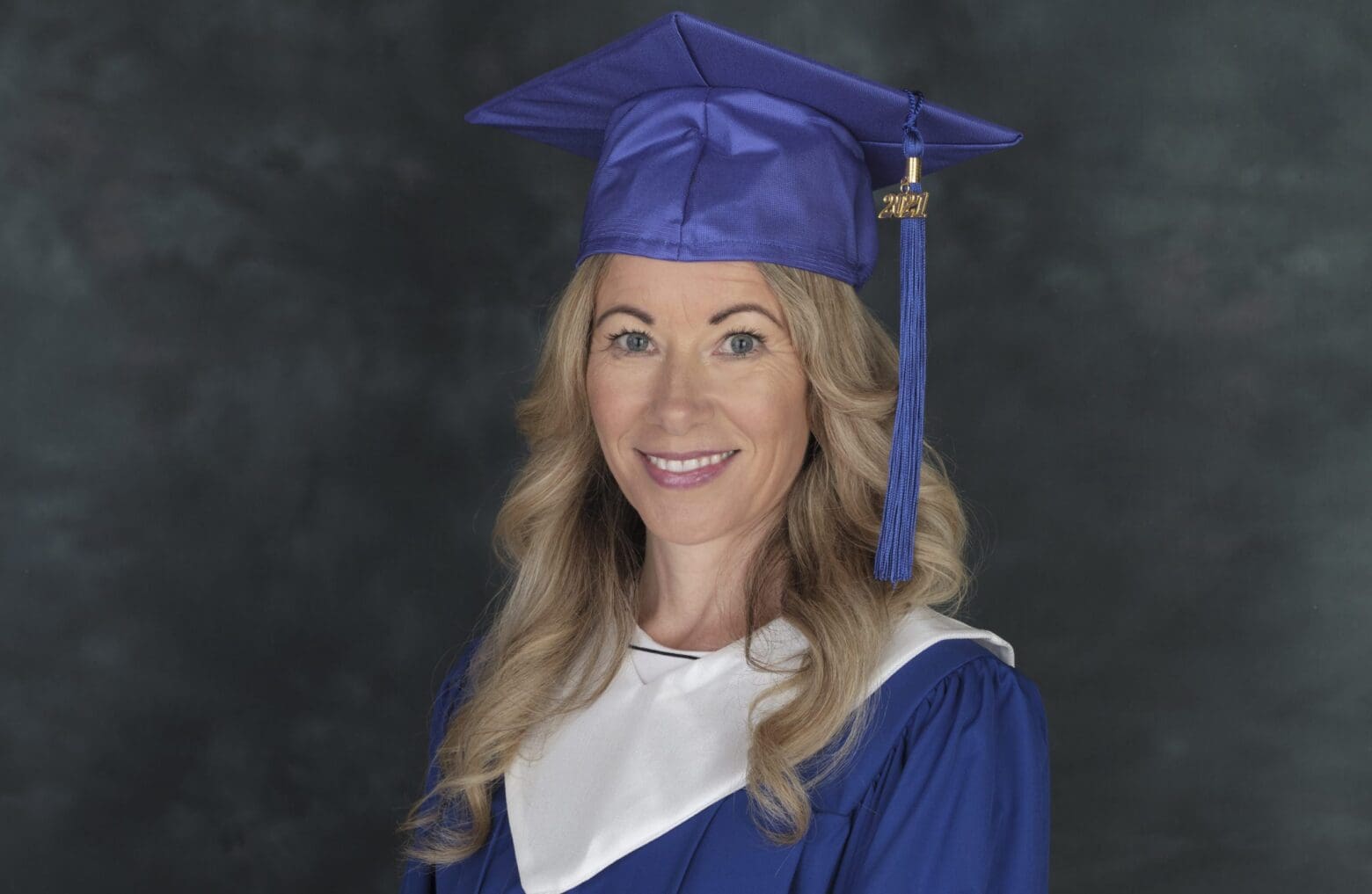
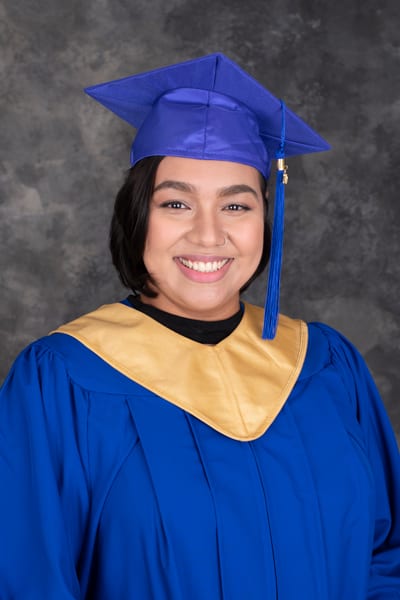
Stories from our Counselling Therapist (Private Practice) Diploma grads




Loading stories...
Ask a Program Advisor
I understand that by submitting this form, I agree to receive periodic emails, phone calls and text messages (SMS) from Stenberg College. See our Privacy Policy. At any time you can opt out of SMS messaging by replying STOP. See our SMS Terms. Message and data rates may apply.
We're Here to Help
Our admissions advisors are here to help you find the right program and navigate your path to a rewarding career.
I understand that by submitting this form, I agree to receive periodic emails, phone calls and text messages (SMS) from Stenberg College. See our Privacy Policy. At any time you can opt out of SMS messaging by replying STOP. See our SMS Terms. Message and data rates may apply.
We're Here to Help
Our admissions advisors are here to help you find the right program and navigate your path to a rewarding career.
We use cookies to improve your experience and personalize ads. See our Privacy Policy.