Cardiology Technologist Diploma
Online theory with in-person labs and clinicals
$25.03 - $46.69/hour (depending on the province)
Start: Winter
63 weeks, including 5.5 weeks of labs, and 13 weeks of clinical preceptorship (practicum)
EQual and Accreditation Canada
Agreement for credit transfer with Thompson Rivers University and Athabasca University
Surrey, Calgary, Winnipeg & Halifax
About the Career
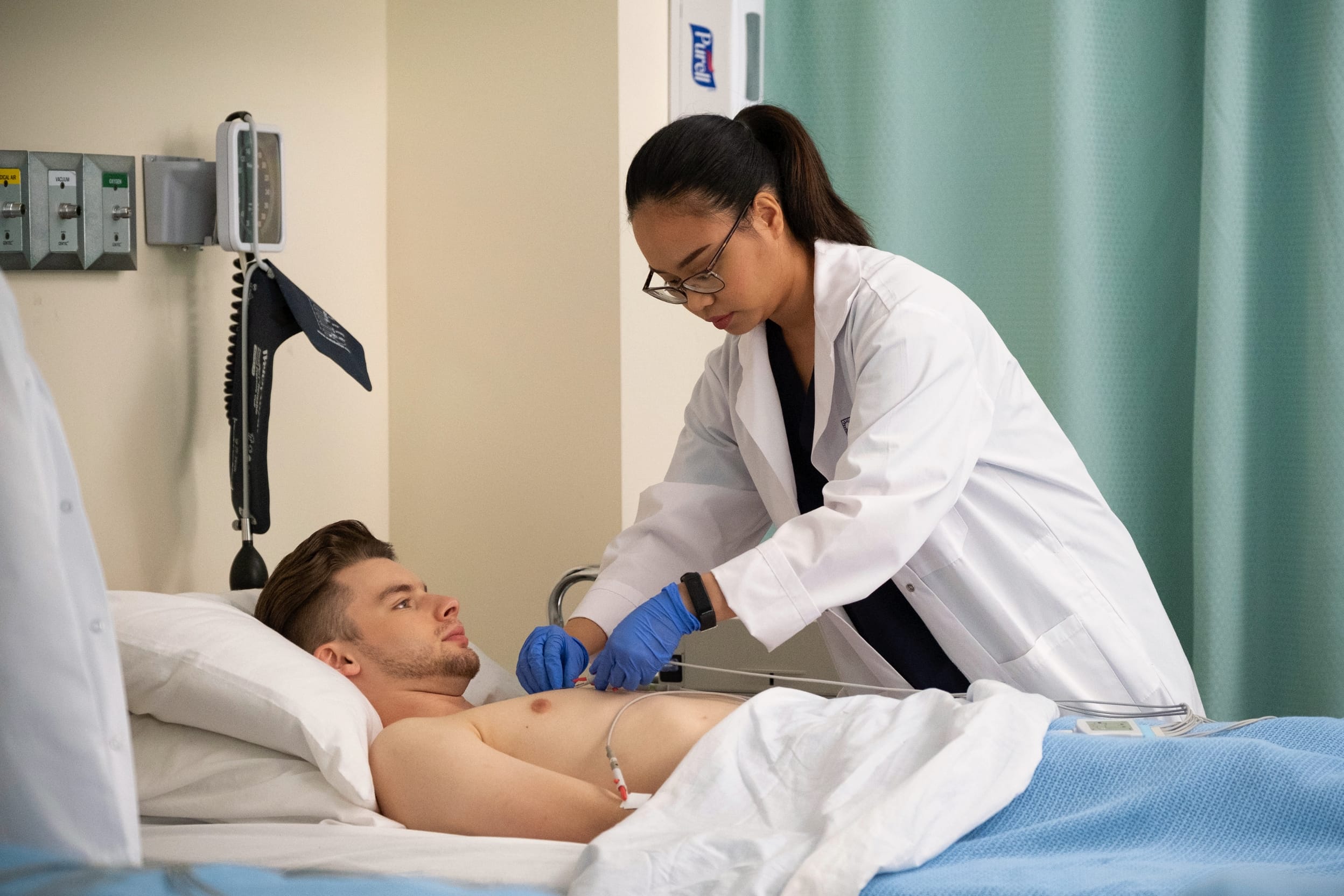
Cardiology Technologists are the front-line workers and friendly faces patients see when receiving cardiovascular care. They provide an essential service and are often among the first to detect life-threatening heart conditions, allowing patients to receive timely and often life-saving treatment.
Cardiology Technologists work with Cardiologists and Internal Medicine specialists and perform a variety of non-invasive cardiac diagnostic tests such as:
- Electrocardiograms (ECGs/EKGs)
- Exercise Stress Testing
- Holter Monitoring
- Cardiac device monitoring and programming
As a Registered Cardiology Technologist (RCT), you can work anywhere in Canada (except Quebec). There are over 1,800 Cardiology Technologists in Canada.
Potential Employers
Cardiology Technologists are the front-line workers and friendly faces patients see when receiving cardiovascular care. They provide an essential service and are often among the first to detect life-threatening heart conditions.
Hospitals
Private clinics
Private laboratories
Cardiac diagnostic equipment companies
Pharmaceutical companies
About the Program
This innovative program allows students to do the majority of their coursework as well as their clinical preceptorships (practicum) in their local communities. Theory is instructor-led in a guided online learning platform. Online learning combined with local clinical preceptorships allow you to pursue your education in your home community. The program also includes five and a half weeks of in-person labs, located across Canada in Surrey, Calgary, Winnipeg, and Halifax.
Our Cardiology Technologist program follows the Canadian Society of Cardiology Technologists (CSCT) competency profile. It prepares graduates to write the CSCT National Exam and enjoy a long, successful, and meaningful career providing essential patient care.
Eligible for residents in: Alberta, British Columbia, Manitoba, New Brunswick, Newfoundland and Labrador, Nova Scotia, Prince Edward Island, Saskatchewan
Related Programs
Credit Transfers
Continue your education with direct pathways to bachelor's degree programs at leading Canadian universities.

Thompson Rivers University
Bachelor of Health Sciences
Graduates are eligible for advanced entry into Thompson Rivers University's Bachelor of Health Sciences program. They qualify for up to 48 PLAR credits (lower level).

Athabasca University
Post-Diploma Degree Programs
Graduates are eligible for advanced entry to Athabasca University's post-diploma programs:
- Bachelor of Commerce
- Bachelor of Human Resources and Labour Relations
- Bachelor of Management
- Bachelor of Science (Major in Human Science, Computing Information Systems, Applied Mathematics, or no major)
Accreditation and Recognition
Stenberg College is designated by the BC government's Ministry of Advanced Education through the Private Training Institutions Regulatory Unit (PTIRU). This program is approved by the PTIRU of the Ministry of Post-Secondary Education and Future Skills. PTIRU is responsible for setting standards of quality and ensuring consumer protection. Stenberg College has also received the BC government's Education Quality Assurance (EQA) designation, which is BC's brand or "seal" of quality post-secondary education for public and private institutions.
Admission Requirements
- Grade 12 graduation or Mature Student Status (19 years of age or older)
- Grade 12-level English course or higher (minimum grade C+), or one of the following: Acceptable score in one of the approved LPR tests as noted below. Accuplacer: Reading 240, Writing 240 and WritePlacer 4 CLBPT: No component less than 7 Communications 12 (minimum grade B+) English challenge exam (minimum 70%)
- Grade 12 Biology or Grade 12 Anatomy & Physiology (minimum grade C+)
- Grade 11 Math or higher (Principles, Foundations, Applications or Pre/Calculus) (minimum grade C+)
- Grade 11 Science or higher – Chemistry OR Physics (minimum grade C+)*
- Successful completion of a short-written essay (minimum 70%)
- Successful completion of the online Computer Skills Entrance Test (minimum 70%)
- Completion of Stenberg College informational interview as part of the admissions procedure
Stenberg College Cardiology Technologist program applicants may write challenge exams or take upgrading courses to meet academic admission requirements for English 12, Bio/A&P 12, Math 11, and Chemistry 11, which must be passed with the above-noted minimum grades. Any post-secondary level English, Math, Anatomy & Physiology, and Chemistry courses are also acceptable.* Admission Access: Licensed / Registered Healthcare Professionals (who have completed Grade 12 and a post-secondary healthcare program in Canada) are exempt from specific secondary coursework requirements.
English is the language of instruction at Stenberg College. Therefore, all applicants must demonstrate an adequate level of English proficiency to ensure success in their chosen program by meeting ONE of the following requirements:
- 1) Evidence of completion of 3 years of full-time Secondary if Grades 8-12, or 2 years of Secondary if Grades 10-12, or 2 years of Post-Secondary education in English in a country where English is one of the principal languages. (Language courses cannot be included in this calculation)
- OR 2) Submit the results of one of the accepted English language proficiency tests at the score level specific to the program as listed in the admission requirements below: IELTS Academic – Overall band score of 6.5 with no component less than 6.0 Duolingo – Overall score of 115 with no component less than 95CELPIP – Overall score of 8 with no component less than 7TOEFL – Minimum overall score of 79CAEL – Minimum overall score of 60Pearson PTE Academic - Minimum overall score of 55
- OR 3) Mature students that are 19 years of age or older at the start of the program and a Canadian citizen or permanent resident who cannot access their educational records or provide sufficient evidence of secondary or post-secondary education as outlined above can: a. Complete an English Language Attestation to confirm completion of 3 years of full-time instruction in English in a country where English is one of the principal languages, AND b. Complete an Accuplacer Next Generation English Assessment with minimum scores of: Reading 240, Writing 240 and WritePlacer 4
Evidence may be demonstrated by providing a high school transcript, completion of a provincial Adult Graduation program, permanent student record, GED, or by providing international education credentials confirming medium of instruction in English as recognized through WES, ICES, or IQAS. Alternatively, where 2 years of post-secondary education are being determined based on credits, it is expected that the student has taken studies with a minimum of 18 credits per academic year and/or indicates completion of a minimum of 36 credits in total.For regulated programs, language proficiency requirements, including permitted tests and scores dictated by the regulatory body, will supersede all else.
Admission Process
Admission is granted to candidates on a first-qualified basis in the next available cohort in all regions/provinces except for the BC Lower Mainland region. Admission to the Cardiology Technician program within the BC Lower Mainland region is highly competitive. Complete applications with evidence of meeting all entrance requirements are accepted annually until the deadline of July 31st.
Student Diversity
Stenberg supports diversity in our student population, and we hold one seat per program for a self-identified Indigenous applicant who meets admission requirements. If the seat remains unfilled at 12 weeks prior to the program start, the seat will be released and offered to other qualified applicants.
Program Courses
Orientation and Student Success Skills
This course will provide you with a comprehensive orientation to Stenberg College and the program you have enrolled in. As with all new things, there will be some challenges and excitement; in this course, you will explore transitioning as a college student, review learning styles, enhance critical thinking, and familiarize yourself with the resources available for your use. This course covers student success skills where you will learn effective study habits (specifically to improve both reading and writing skills) based on your own personal learning style. Life skills exercises are also integral to the course, teaching communication, accountability, teamwork, self-awareness and building an understanding of the impact you have on others.
Medical Terminology
This intensive, fast paced course is an introduction to the world of medical terminology and is designed to provide the foundation for all subsequent courses. You will become familiar with various medical word parts, become fluent in the pronunciation and spelling of these parts, and become proficient with the building and breaking down of medical terms to determine meaning. It is essential for all healthcare professionals to be able to function effectively and safely in a medical environment; therefore, you must be competent and accurate in the use of medical terminology on the job.
Anatomy/Physiology/Pathology
This course will cover body systems and sense organs. Teaching about each system will include: an overview of that system's general function; system parts, their specific function and location; relationship with other systems; and common pathologies explaining the causes for those pathologies.
Introduction to Health Research & Statistics
This course will help you develop confidence in reading and interpreting statistical data in health sciences research articles. You will complete practical exercises to strengthen your understanding of sampling, measurement, and statistical analysis techniques. Focus will be placed on health-related research; elementary probability, statistical estimation and hypothesis testing.
Cardiac Anatomy and Physiology
This course is designed to help you understand the essential mechanical, electrical, and dynamic components of the human heart. This course studies the heart's anatomy, structural relationships, and embryological development.
Cardiac Pathophysiology
Cardiac Pathophysiology provides information on common cardiac conditions and pathologies. This course is built upon and integrated with the Cardiac Anatomy and Physiology course. Each type of cardiac disease or pathology is discussed in relation to anatomy, physiology, pathophysiology, causes, significance, consequences, clinical presentation, risk factors, diagnostics, and treatment as appropriate. Specific cardiac diseases and pathologies within a broad category are also discussed. The clinical presentation of a cardiac disease or pathology is discussed in relation to the cardiology technologist's clinical practice.
Cardiac Pharmacology
Cardiac Pharmacology provides information on commonly used cardiac medications. This course is built upon and integrated with the Cardiac Pathophysiology course. The cardiac medications are categorized according to accepted drug classifications. Each drug class is discussed as to action, indications, contraindications, adverse effects, usage, dose, and clinical application as appropriate. Specific cardiac drugs within classes are discussed as well. The clinical application of a drug class or specific drug is discussed in relation to the patient's cardiac pathology and the cardiology technologist's clinical practice.
Cardiac Instrumentation
In this course, you will gain an understanding of how biomedical instruments like electrocardiograms, Holter monitors, blood pressure monitors, event monitors (trans-telephonic recordings), phonocardiograms, pacemakers / pacemaker programmers and external cardiac defibrillators function. Principles used to perform 12-lead electrocardiograms, as well as specialized leads such as 15 lead ECG, 18 lead ECG, Lewis lead, Dextrocardia, Right-sided leads, Frank leads and Brugada leads will be introduced. You will be able to describe how the heart’s electrical impulses are converted into mechanical functions that can be printed by the electrocardiogram. Accompanying this, you will also be able to recognize and explain techniques to enhance patient care and learn ways to build a professional relationship with patients.
ECG Interpretation and Pacemakers
This course focuses on the study of electrocardiography theory. You will receive instruction in ECG interpretation, identifying cardiac rate, axis, blocks, hypertrophies, myocardial infarction, and arrhythmias (especially life-threatening arrhythmias). You will also learn how to apply aseptic techniques in this course. The pacemaker segment of the course includes in-depth instruction on pacemaker function, pacemaker ECG interpretation, pacemaker lead implant analysis and operation of recommended procedures.
Simulation Lab 1
This hands-on lab component focuses on the application of electrocardiography theory. This simulated lab component provides practice performing electrocardiograms and gives you exposure to patient care components of the procedures. This lab provides practical experience in performing ECG procedures. Through simulated lab exercises, you will develop essential skills in ECG interpretation, and patient care.
Career Search Strategies
Students learn to network effectively, to search and apply for jobs and to prepare targeted resumes and cover letters. Students are also provided with coaching and individualized instructor feedback on their resume, cover letter, and interview skills.
Electrophysiology Foundations
This course introduces you to concepts in electrophysiology (EP) studies and the electrophysiology (EP) lab. You will gain knowledge in identifying the arrhythmogenesis of cardiac arrhythmias, indications for testing, the functions of EP lab equipment, and understand basic interpretation of EGM recordings, measurement of intervals, and cycle lengths.
Healthcare Practices and Basic Phlebotomy
Using specific examples that pertain to the Cardiology Technologist, this course discusses the departments and personnel in the laboratory setting, the tests, and abbreviations within these departments in addition to basic phlebotomy skills.
Fundamentals of Stress Testing & Ambulatory Monitoring
In this course, you will gain knowledge of the standards and guidelines for exercise testing and be introduced to the fundamental concepts of exercise tolerance testing and ambulatory monitoring topics essential to the cardiology technologist. The course covers important topics and general principles related to both types of procedures, including professional behaviours and effective communication, as well as the importance of general factors such as age, gender, environment, diseases, and health states. Through this course, you will also gain knowledge of intravenous therapy and learn how to select a PIV (peripheral intravenous) site and establish PIV lines by preparing, priming, and hanging the IV bag with tubing.
Simulation Lab 2
You will gain knowledge of the standards and guidelines for exercise testing using different protocols including Bruce, and Modified Bruce & Naughton. This will also incorporate Stress echo, Nuclear Stress Testing, , and Pharmaceutical Stress Testing using the drugs Persantine and Dobutamine. You will be trained in the professional standards and communication skills required to retrieve medical history from patients and to give them proper instructions and information. This lab block also includes the lab component for basic phlebotomy and the IV workshop, as well as an introduction to Holter and ambulatory blood pressure monitoring.
Holter Monitor Scanning
This course will provide you with knowledge of the principles and analysis of Holter recordings. You will be instructed on how to identify, select, document and apply various different protocols of the scanning software. The identification of arrhythmias and diary/symptom to rhythm correlation is the key component in Holter Scanning. You will gain confidence in your skills and abilities with analyzing Holter monitor recordings and creating a final diagnostic report.
Device Therapy Concepts & Case Studies
In this course, you will gain an understanding in the concepts of device therapy including guidelines for pacemaker, ICD, CRT and ILR implantations, review of pacemaker theory, programmability modes, threshold testing, wound care, magnet application, techniques for lead extraction and knowledge of temporary pacing methods, including transthoracic and transvenous pacing. In addition, we will explore the role of remote monitoring capabilities and critical analysis of various case studies. We will review concepts related to tachy/bradyarrhythmias and how programming of devices can terminate these rhythms.
Cardiac Diagnostic Procedures
This course will provide you with the knowledge of the standards and guidelines for diagnostic imaging, tilt table testing, invasive cardiac procedures and treatments, and how cardiac patients are rehabilitated upon returning into the community. You will also be introduced to specialized topics of basic radiation physics, radiation biology and protection, and the importance of interprofessional collaboration. Research articles will be provided on the course topics for students to critically review, analyze the research, and present their findings for interprofessional collaboration.
Health Information Systems and Patient Care
This course provides a basis for understanding how the delivery of patient care can be improved through the appropriate application of information management systems. You will learn the concepts of enterprise-wide solutions and develop an appreciation of emerging issues, your role and responsibilities in using information management systems appropriately both at enterprise-wide and user levels. Focus will be placed on increasing awareness in your role within the larger schema of health informatics and understanding cause and effect factors when working in a computerized environment. You will build requisite knowledge and competence to use information effectively in the patient's interest in collaboration with other members of the healthcare team. You will also build requisite knowledge in understanding the therapeutic relationship between the patient and health care provider, including the importance of trauma-informed practice. Lastly, you will learn the expectations of being a member in good standing with both your provincial and national cardiology technology associations.
Practice Education Observational/Integrated Experiences
These experiences provide opportunity for students to begin to practice their ECG and Stress Testing skills in a hospital / clinical environment. Students will participate in 3 individual Integrated Practicum Experiences (IPE) – 48 hours (over 6 days).
Clinical Preceptorship – minimum of 456 hours over 13 weeks
During your Clinical Preceptorship (also referred to as a Consolidated Practice Experience), you will be assigned to a hospital or specialty lab where you will be supervised one-on-one by an experienced registered Cardiology Technologist preceptor. This will give you a great opportunity to implement your skills and theoretical knowledge in a professional setting.
Program Review
This course will include a review of key theoretical and practical knowledge. You will also receive information on test taking skills to help you as you prepare for the CSCT examination. You will be asked to evaluate your overall educational experience (clinical and didactic) so the program may be improved in relation to your feedback. You will also celebrate and debrief on your clinical preceptorships, sharing what you learned over the course of this experience.
Professional certifications included in the program to enhance your workplace readiness.
Workplace Hazardous Materials Information System
WHMIS provides information about materials in the workplace that can be hazardous, such as cleaning agents, compressed gases and flammable materials. Becoming WHMIS certified will demonstrate the ability to identify hazardous materials and handle them properly.
Personal and Professional Development (PPD) Skills Certificate
The Personal and Professional Development (PPD) Skills Certificate is a self-directed, online certificate that enhances your soft skills. The six PPD modules cover Professionalism, Quality Service, Feedback, Diverse Teams, Conflict Resolution and Leadership. Together, these modules prepare you to effectively approach and resolve real life situations.
Provincial Violence Prevention Certification
The Provincial Violence Prevention Training Curriculum will teach you to recognize and respond to violent situations and learn about different types of violence and strategies for dealing with the risks in a variety of health care contexts. The Provincial Violence Prevention Curriculum has been developed by a team of experts from Worksafe BC, the Occupational Health & Safety Agency for health care in BC, as well as BC health authorities and healthcare unions. This training and certification is offered in collaboration with Fraser Health Authority.
Body Mechanics & Back Safety
You will learn proper body movement to prevent and correct poor posture, reduce stress on ligaments, joints and tendons and enhance physical capabilities. Proper body mechanics and back safety will enhance the longevity and success in the workplace and will help ensure that lifts, transfers, and repositioning are done in a manner that is safe and appropriate for everyone. Please note: While this training follows best practices and protocols, graduates may be required to take additional workplace specific training.
Aseptic Techniques
This workshop introduces you to personal protective equipment, teaches proper hand washing techniques and prepares you to work in a sanitary environment. This workshop is delivered both self-directed online and instructor led in lab. There are approximately two hours of materials for you to go through prior to the lab component. These materials include readings and videos which you will work through on your own at home. During lab, an instructor will take you through the hands-on practice component.
Fit Testing
This theory course will cover the correct use and care of respirators, respirator limitations, donning and doffing procedures, and proper disposal of respirators in accordance with WorkSafeBC OHS Regulation Section 8.7.3.
Student Support
- Academic tutoring
- Assessment and skill development support
- Open study skills tutorials
- Typing practice support
- One-on-one student support coaching sessions
- English language learning support
- Online learning resources
- Online academic journals and databases
- Campus life events
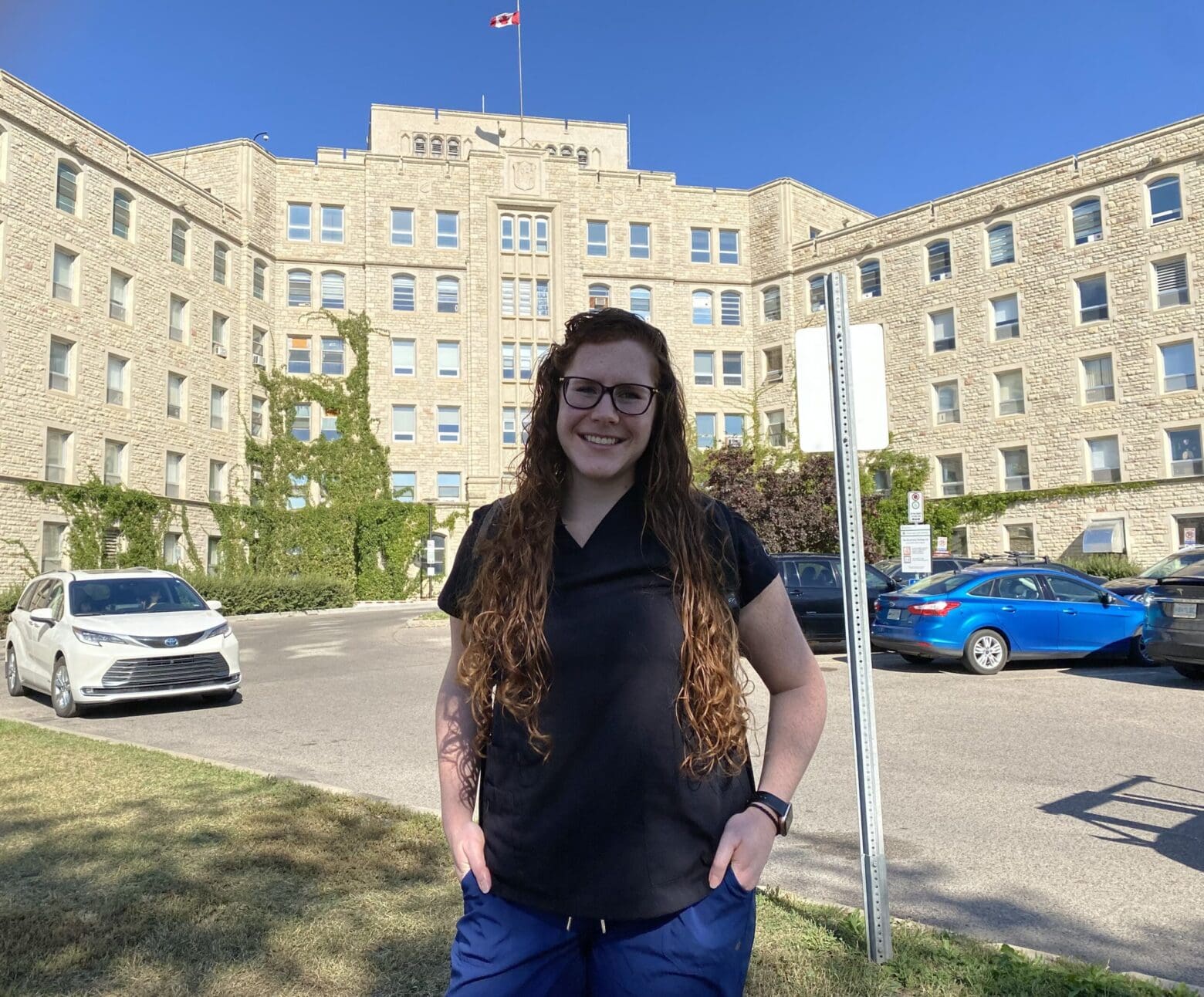
Stories from our Cardiology Technologist Diploma grads

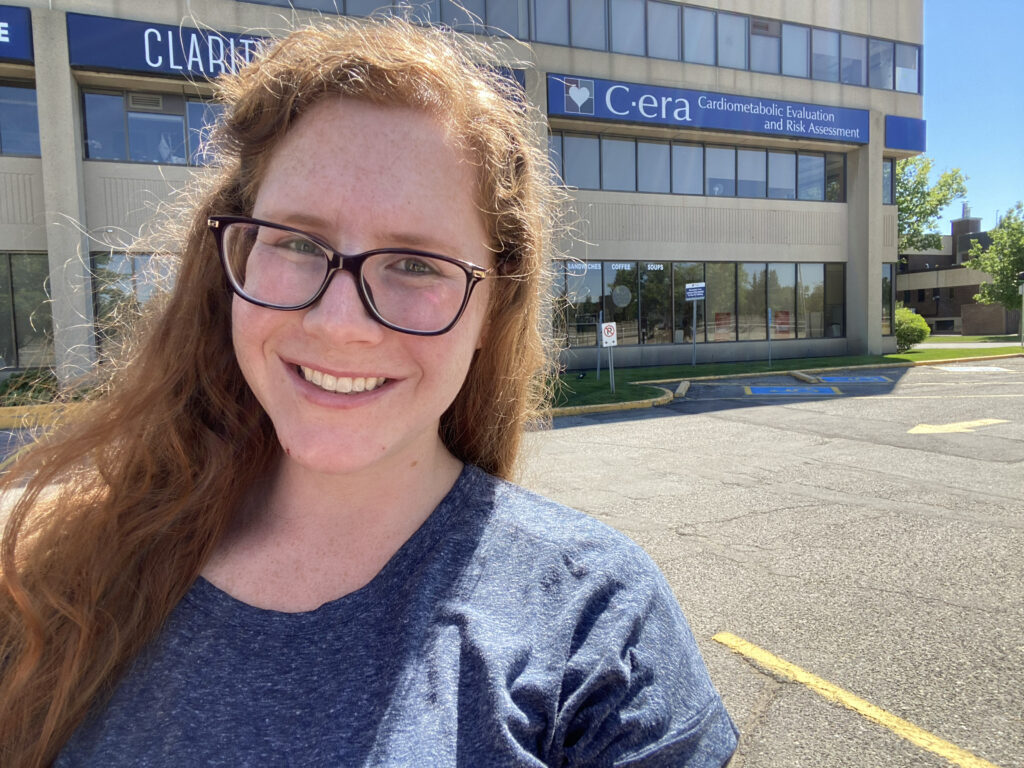
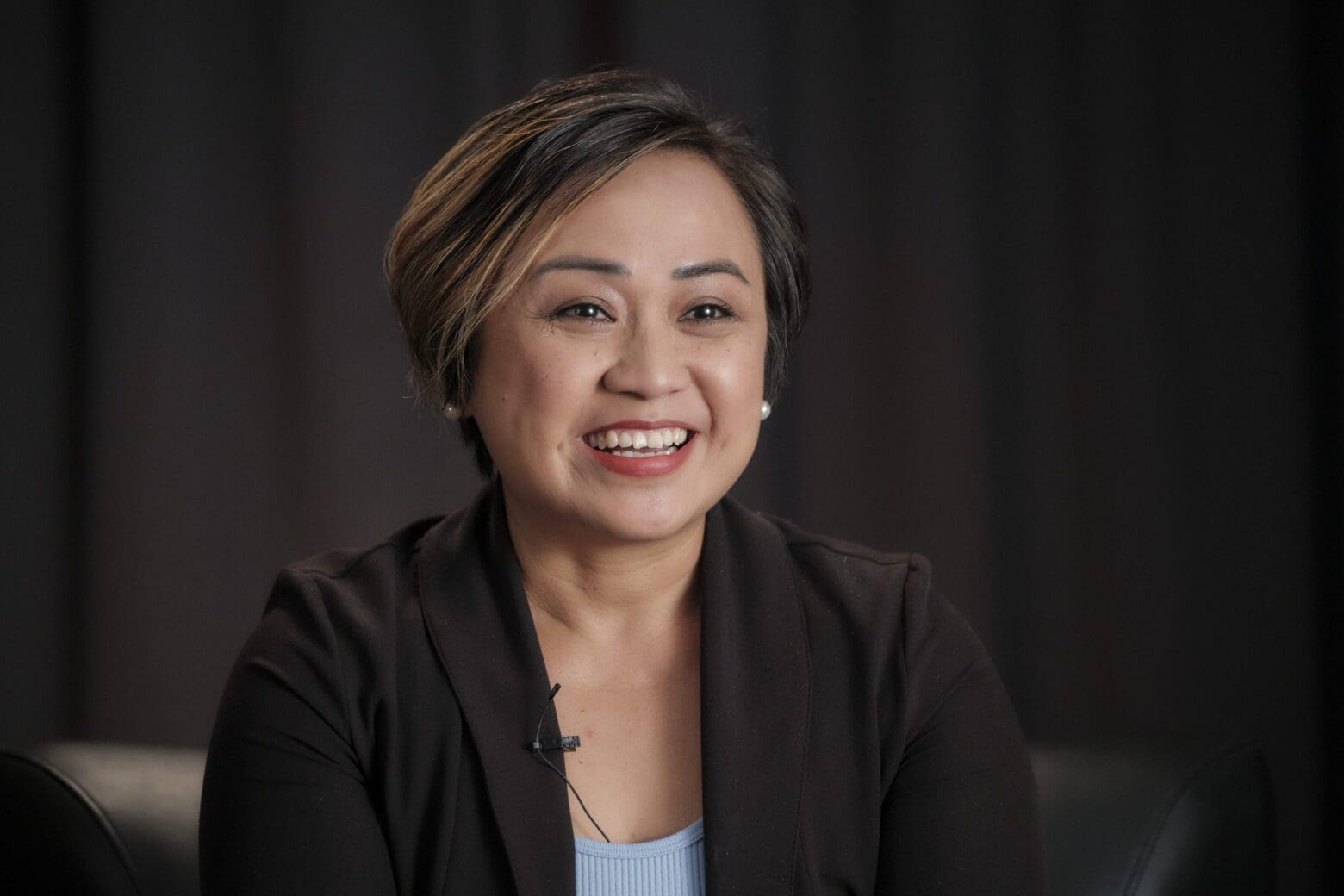
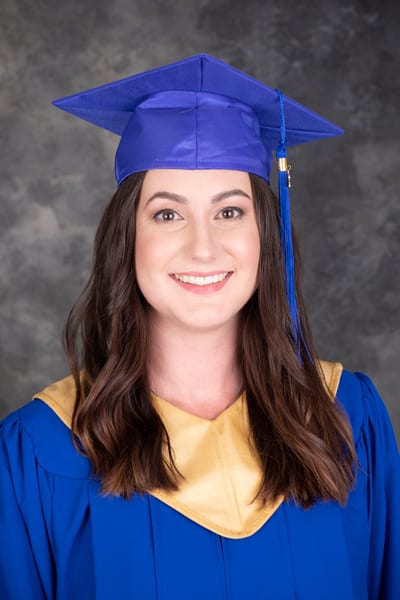
Loading stories...
Ask a Program Advisor
I understand that by submitting this form, I agree to receive periodic emails, phone calls and text messages (SMS) from Stenberg College. See our Privacy Policy. At any time you can opt out of SMS messaging by replying STOP. See our SMS Terms. Message and data rates may apply.
We're Here to Help
Our admissions advisors are here to help you find the right program and navigate your path to a rewarding career.
I understand that by submitting this form, I agree to receive periodic emails, phone calls and text messages (SMS) from Stenberg College. See our Privacy Policy. At any time you can opt out of SMS messaging by replying STOP. See our SMS Terms. Message and data rates may apply.
We're Here to Help
Our admissions advisors are here to help you find the right program and navigate your path to a rewarding career.
We use cookies to improve your experience and personalize ads. See our Privacy Policy.