Optician Diploma
Online with 10 weeks of in-person labs and 10 weeks of local practicum
$25-$35/hour
Start: September
55 weeks, including work experience components
Accreditation Canada
Surrey
About the Career
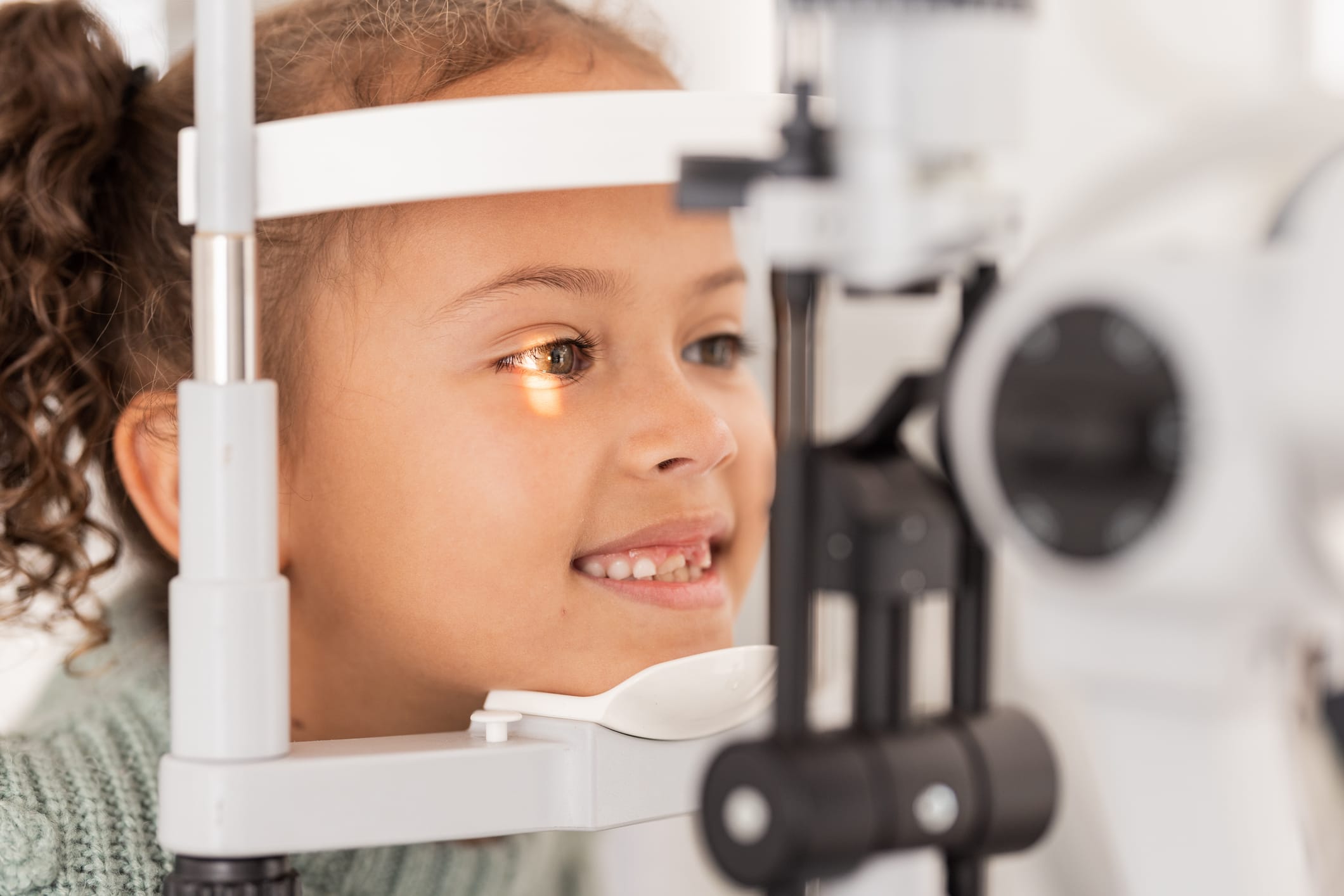
Opticianry is one of the three "O's" of eyecare. The other two are Ophthalmology and Optometry. A Licensed Optician is an eyecare specialist. They advise, design and produce optical products such as eyeglasses, contacts, low-vision and specialized products. Licensed Opticians are one of 26 designated health professions regulated under the Health Professions Act in B.C.
Licensed Opticians work with precision and care to ensure clients receive the best possible vision correction and eye care products. They combine technical expertise with customer service skills to provide personalized solutions for each client's unique needs.
Potential Employers
A Licensed Optician is an eyecare specialist. They advise, design and produce optical products such as eyeglasses, contacts, low-vision and specialized products.
Optometry clinics
Optical stores (independent or chain)
Ophthalmology offices
Optics labs
Independent business offices
Product sales sector
About the Program
Through a combination of theory, practice (labs), and application (practicum), you will be extensively trained in eyeglass dispensing, contact lens fitting and automated refraction. Beyond the technological skills, emphasis is placed on interpersonal communication, customer service and professional practice.
Our program is recognized by the National Association of Canadian Optician Regulators (NACOR) and our graduates are well-prepared to take the national licensing exams. To become a Licensed Optician, graduates must register with the regulatory college in their province of residence.
Program Features:
- Online theory delivery with 10 weeks of hands-on lab experience
- Comprehensive training in eyeglass dispensing and contact lens fitting
- Automated refraction training
- Multiple practicum experiences for real-world application
- Preparation for national licensing examinations
Related Programs
Post-Graduation Pathways
Articulation Agreement with BCIT
Graduates of our Optician program are eligible to apply for BCIT's Advanced Diploma in Business Management.
Upon completion of Stenberg's Optician program, with an additional 1 year full-time at BCIT, you can acquire an Advanced Diploma in one of Canada's largest business schools, obtaining skills and experiences that will prepare you for the next step in your career.
Articulation - Direct Pathway (Post-Graduation)
Stenberg College Optician Diploma
55 Weeks Full-Time
→BCIT Advanced Diploma in Business Management
1 Year Full-Time
→BCIT Bachelor of Business Administration
1 Year Full-Time
Articulation to British Columbia Institute of Technology (BCIT)
After completing BCIT's Advanced Diploma in Business Management, students have the option to enroll in BCIT's Bachelor of Business Administration (BBA), and complete their degree in one year.
Learn more about the Stenberg-BCIT Pathway.
Accreditation and Recognition
Stenberg College is designated by the BC government's Ministry of Advanced Education through the Private Training Institutions Regulatory Unit (PTIRU). This program is approved by the PTIRU of the Ministry of Post-Secondary Education and Future Skills. PTIRU is responsible for setting standards of quality and ensuring consumer protection. Stenberg College has also received the BC government's Education Quality Assurance (EQA) designation, which is BC's brand or "seal" of quality post-secondary education for public and private institutions.
Admission Requirements
- Grade 12 graduation or Mature Student Status (19 years of age or older)
- Grade 11-level English course or higher, or one of the following:Acceptable score in one of the approved LPR tests as noted belowAccuplacer: Reading 230, Writing 230 and WritePlacer 4CLBPT: No component less than 6English challenge exam (minimum 70%)
- Math Grade 11 or higher (minimum grade of C- ) or the following in lieu:CAAT Level D Math test with score of Grade 11 or higher
- Successful completion of the online Computer Skills Entrance Test (minimum 70%)
- Completion of Stenberg College entrance informational interview
- Completion of a Criminal Record Consent Form under the Criminal Record Review Act
- Preference will be given to those with customer service experience
- Preference will be given to those with any Science Grade 11 or 12 with a grade of C
Other assessment test options may be available. Refer to our English Language Proficiency chart for all applicable tests and scores. For regulated programs, permitted tests and scores dictated by the regulatory body will supersede all else.
English is the language of instruction at Stenberg College. Therefore, all applicants must demonstrate an adequate level of English proficiency to ensure success in any program and courses by meeting one of the following minimum requirements:
- 1) Evidence of completion of 3 years of full-time Secondary if Grades 8-12, or 2 years of Secondary if Grades 10-12, or 2 years of Post-Secondary education in English in a country where English is one of the principal languages. (Language courses cannot be included in this calculation)
- OR 2) Submit the results of one of the accepted English language proficiency tests at the score level specific to the program as listed in the admission requirements below:IELTS Academic – Overall band score of 6.0 with no component less than 5.5Duolingo – Overall score of 105 with no component less than 85CELPIP – Overall score of 7 with no component less than 6TOEFL – Minimum overall score of 68CAEL – Minimum overall score of 50Pearson PTE Academic - Minimum overall score of 50
- OR 3) Mature students that are 19 years of age or older at the start of the program and a Canadian citizen or permanent resident who cannot access their educational records or provide sufficient evidence of secondary or post-secondary education as outlined above can:a. Complete an English Language Attestation to confirm completion of 3 years of full-time instruction in English in a country where English is one of the principal languages, ANDb. Complete an Accuplacer Next Generation English Assessment with minimum scores of: Reading 230, Writing 230 and WritePlacer 4
Evidence may be demonstrated by providing a high school transcript, completion of a provincial Adult Graduation program, permanent student record, GED, or by providing international education credentials confirming medium of instruction in English as recognized through WES, ICES, or IQAS. Alternatively, where 2 years of post-secondary education are being determined based on credits, it is expected that the student has taken studies with a minimum of 18 credits per academic year and/or indicates completion of a minimum of 36 credits in total.For regulated programs, language proficiency requirements, including permitted tests and scores dictated by the regulatory body, will supersede all else.A transcript can be used as evidence of meeting requirement option 1. Those educated in BC may be able to access transcripts using their personal education number (PEN). We understand that obtaining a transcript as evidence may prove challenging for some applicants. In such cases, the applicant can complete the English Language Declaration form and outline their education history to validate meeting the requirement.
Student Diversity
Stenberg supports diversity in our student population, and we hold one seat per program for a self-identified Indigenous applicant who meets admission requirements. If the seat remains unfilled at 12 weeks prior to the program start, the seat will be released and offered to other qualified applicants.
Program Courses
Orientation and Student Success Skills
This course will provide a comprehensive orientation to Stenberg College and the program you are enrolled in. As with all new things, there will be some challenges and excitement; this course, will explore transitioning as a college student, review learning styles, enhance critical thinking, and familiarize you with the resources available for your use. This course covers student success skills where you'll learn effective study habits (specifically to improving both reading and writing skills) based on your own personal learning style. Life skills exercises are also integral to the course, teaching communication, accountability, teamwork, self-awareness and building an understanding of the impact you have on others.
Keyboarding and Computer Fundamentals
This course is designed to provide you with a detailed introduction to correct typing technique and the computer skills required to work in a fast-paced environment. Throughout the course, you will use a simulated program to improve proficiency with the Internet, Windows environment, and Microsoft Office (Outlook, Access, Word, Excel, and PowerPoint). You will also focus on the development and maintenance of accurate keyboarding skills. You are encouraged to practice your keyboarding using the Keyboarding Online program outside of regular classroom hours.
Customer Service & Professional Communications I
In this foundational course, you will learn theoretical and practical skills to promote effective communication with clients and co-workers. You will be encouraged to become more aware of the impact of your own communication choices and patterns. You will have opportunity to develop and use communication techniques that demonstrate personal awareness, respect and active listening skills. Communication theory, therapeutic communication, cross-cultural communication, and effective teamwork will all be covered.
Anatomy & Physiology of the Eye
It's essential that you, as a Dispensing Optician student, develop a thorough understanding of the concepts of ocular anatomy and physiology. This course gives an overview of the structure and function of each component of the visual system and the external anatomical structures. It explores the pathophysiological alterations that can affect an individual's vision. Common medications used to treat eye conditions will also be taught.
Professional Practice & Office Procedures
This course provides an introduction to the profession, focusing on the regulations and legislation that informs Opticianry practice within British Columbia. You will discuss your role and responsibilities as a working optician, exploring the Code of Ethics, and Standards of Practice for the profession. You will also be introduced to the roles and functions of various members of the eye care team. You will discuss note taking, documentation practices, informed consent and office set up.
Foundations of Optics
In this course, you will learn the basic principles of light, plane and curved surfaces of mirrors and lenses and how to perform basic mathematical calculations needed for opticianry practice. The photochemistry of vision will be studied along with the concept of visual fields. You will also be introduced to monocular and binocular vision and be able to compare the effects of each on depth perception and visual acuity.
Eyeglasses Theory
In this extensive course, you will investigate all aspects of eyeglass production and delivery to the client. You will learn lens theory, interpretation of prescriptions, types of materials and an introduction to the instruments of the trade. You will also learn the variety of lens and frame selections along with the manufacturing process. Conducting client assessments and documentation will also be explored along with methods of client teaching. Finally, you will learn how to evaluate eyeglasses and provide follow-up care to your customers.
Eyeglasses Lab
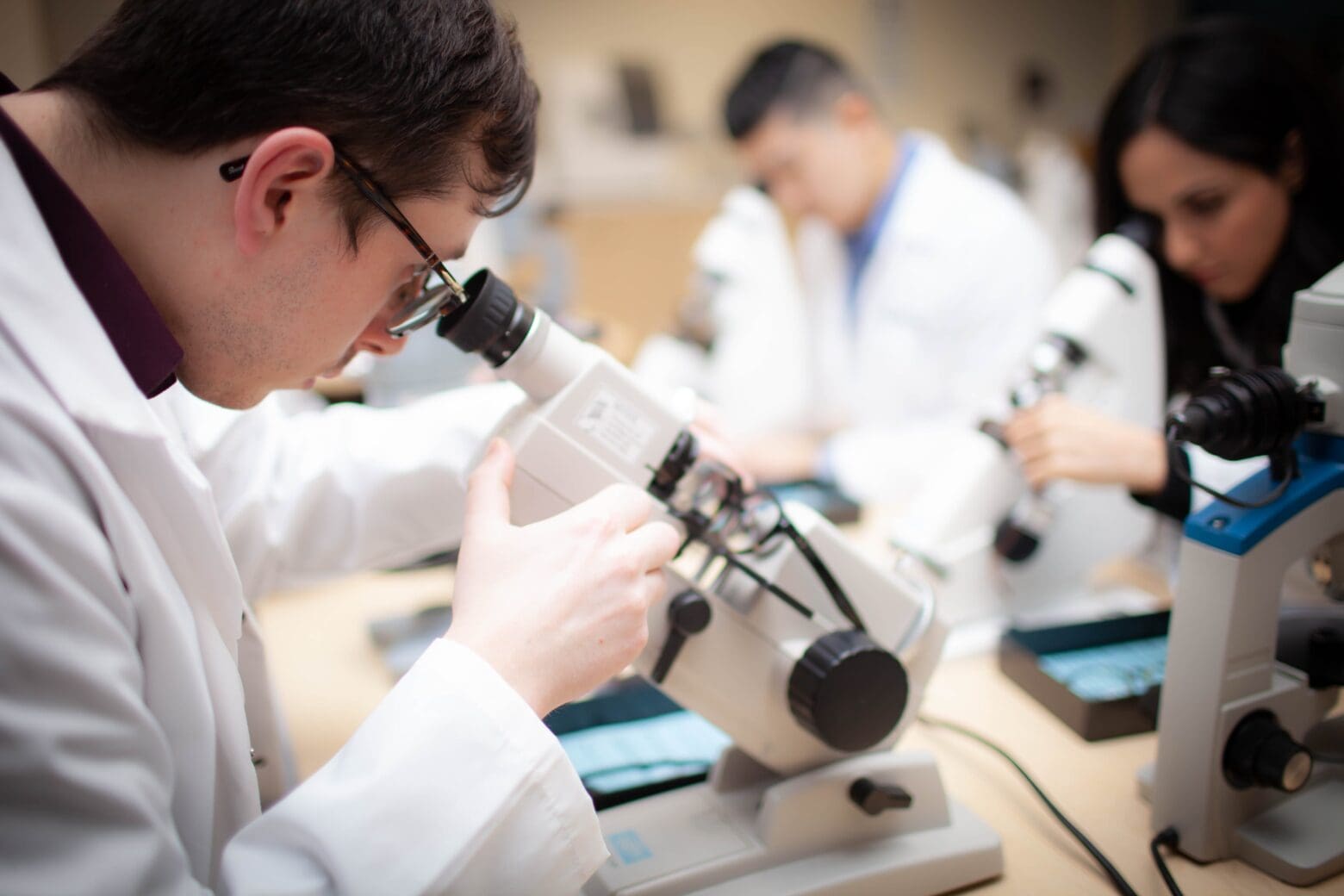
During this course you will turn your theoretical knowledge into real world practice as you apply your learning in the lab. You will become familiar with the instruments, equipment and tools required for the process of eyeglass dispensing. You will learn how to take ocular measurements, manage infection control and aseptic techniques, as well as safe operating procedures, lens and frames specifications and validation. Demonstrating customer services skills through professional communications will be practiced as you conduct assessments, provide client teaching and document appropriately.
Eyeglasses Fabrication and Design
During this course, you will learn how lenses are tinted, spotted, surfaced, edged and mounted into eyeglasses. The course will cover the calculations for determining the lens size required to ensure proper fitting into eyewear. You will learn the process of rejecting and accepting lenses based on ANSI standards.
Customer Service and Professional Communications II
Following on from the foundational course in Semester I, you will learn how to be an advocate for your clients. To help meet the needs of our aging population, you will focus on how to communicate respectfully and appropriately with older adults.
Low Vision Conditions & Devices
In this combined theory and lab course, you will focus on supporting clients with low vision, reading low-vision prescriptions and working with current products.
Consolidated Practice Experience: Eyeglasses
During this three-week consolidated practicum, you will have the opportunity to put your eyeglass dispensing skills into practice under the supervision of a monitor. Students will receive exposure to the day-to-day operations of the workplace as well as experience in professional behaviour, patient care and instrumentation under the direct supervision of an optician, optometrist or ophthalmologist.
Business Management
In this course you discuss basic business requirements for establishing and running a small business. You will learn core skills through investigating the concepts of time management, human resources, inventory control, legislation and regulations, problem solving and conducting industry and/or product research.
Sales and Marketing Skills
During this course you will focus on topics such as gaining insight into client behavior, appealing to a target audience, developing promotional strategies, the art of upselling, interpreting buying patterns, selling on the phone and retaining a loyal customer base.
Contact Lenses Theory
In this course you will refresh your anatomy and physiology knowledge before exploring eye conditions common to contact lens wearers. You will then learn methods for fitting and dispensing contact lenses. Contact lens materials, manufacturing processes, prescriptions and required instruments are all examined. You will discuss the different products available and how to promote optimal ocular health for contact lens wearers.
Contact Lenses Lab
You will apply your theoretical knowledge within the lab to provide safe, competent care when fitting soft and rigid lenses. You will become proficient in conducting a client assessment, taking measurements, preparing and ordering lenses, then fitting, modifying and evaluating the finished contact lenses. Educating the client on proper care of contact lenses will be emphasized along with providing follow up care.
Consolidated Practice Experience: Contact Lenses
During this three-week consolidated practicum, you will have the opportunity to perfect your contact lens fitting skills in a dispensing setting. Students will receive exposure to the day-to-day operations of the workplace as well as experience in professional behaviour, patient care and instrumentation under the direct supervision of an optician, optometrist or ophthalmologist.
Refractive Conditions and Automated Refraction
In the beginning of this course you will review the principles of refraction before discussing the pathophysiology of refractive conditions including astigmatism, anisometropia, and aniseikonic. In the second part of this course you will learn the automated refraction process and discuss its limitations, contraindications, and referrals before applying your knowledge of the process in the lab.
Career Search Strategies
This course is offered in an online delivery format. You will learn to network effectively (online and in person), to search and apply for jobs and to prepare targeted resumes and cover letters. You are also provided with coaching and individualized instructor feedback on your resume, cover letter and interview skills.
Preceptorship
This final four-week preceptorship concludes the program and facilitates your transition from student to graduate. A designated mentor will guide and encourage you to apply your knowledge, insight and skills in a professional setting. You will be required to be available during the day, afternoon, evening and weekends. At the conclusion of this experience, there will be a collaborative final debriefing. You will have the opportunity to reflect on and share your experiences as well as evaluate your overall educational experience so that the program may be improved in relation to student feedback.
Program Review and License Exam Prep
This will be a review of key theoretical and practical knowledge from the program. You will also receive test-taking skills information to help you as you prepare for your license examination.
Body Mechanics & Back Safety
You will be educated in proper body movement to prevent and correct poor posture, reduce stress on ligaments, joints and tendons and enhance physical capabilities. Proper body mechanics and back safety will enhance the longevity and success in the workplace. Please note: While this training follows best practices, graduates may also be required to learn and follow workplace specific protocols.
Workplace Hazardous Materials Information System (WHMIS)
WHMIS provides information about materials in the workplace that can be hazardous, such as cleaning agents, compressed gases and flammable materials. Becoming WHMIS certified will demonstrate the ability to identify hazardous materials and handle them properly.
Provincial Violence Prevention
The Provincial Violence Prevention Training Curriculum will teach you to recognize and respond to violent situations and learn about different types of violence and strategies for dealing with the risks in a variety of health care contexts. The Provincial Violence Prevention Curriculum has been developed by a team of experts from Worksafe BC, the Occupational Health & Safety Agency for health care in BC, as well as BC health authorities and healthcare unions. This training and certification is offered in collaboration with Fraser Health Authority.
Personal & Professional Development Skills Certificate
The Personal and Professional Development (PPD) Skills Certificate is a combination of interactive, online modules and synchronous follow-up discussions that apply the general module content to the specifics of your program and future career. In addition to the Soft Skills Development module, you will develop your ability to work with diverse clients, patients, and colleagues through the Gender Diversity and Sexual Orientation; Disability, Neurodiversity, and Accessibility; Anti-Indigenous Racism and Indigenous Gender Diversity; and Anti-Racism modules.
Student Support
- Academic tutoring
- Assessment and skill development support
- Open study skills tutorials
- Typing practice support
- One-on-one student support coaching sessions
- English language learning support
- Online learning resources
- Online academic journals and databases
- Campus life events
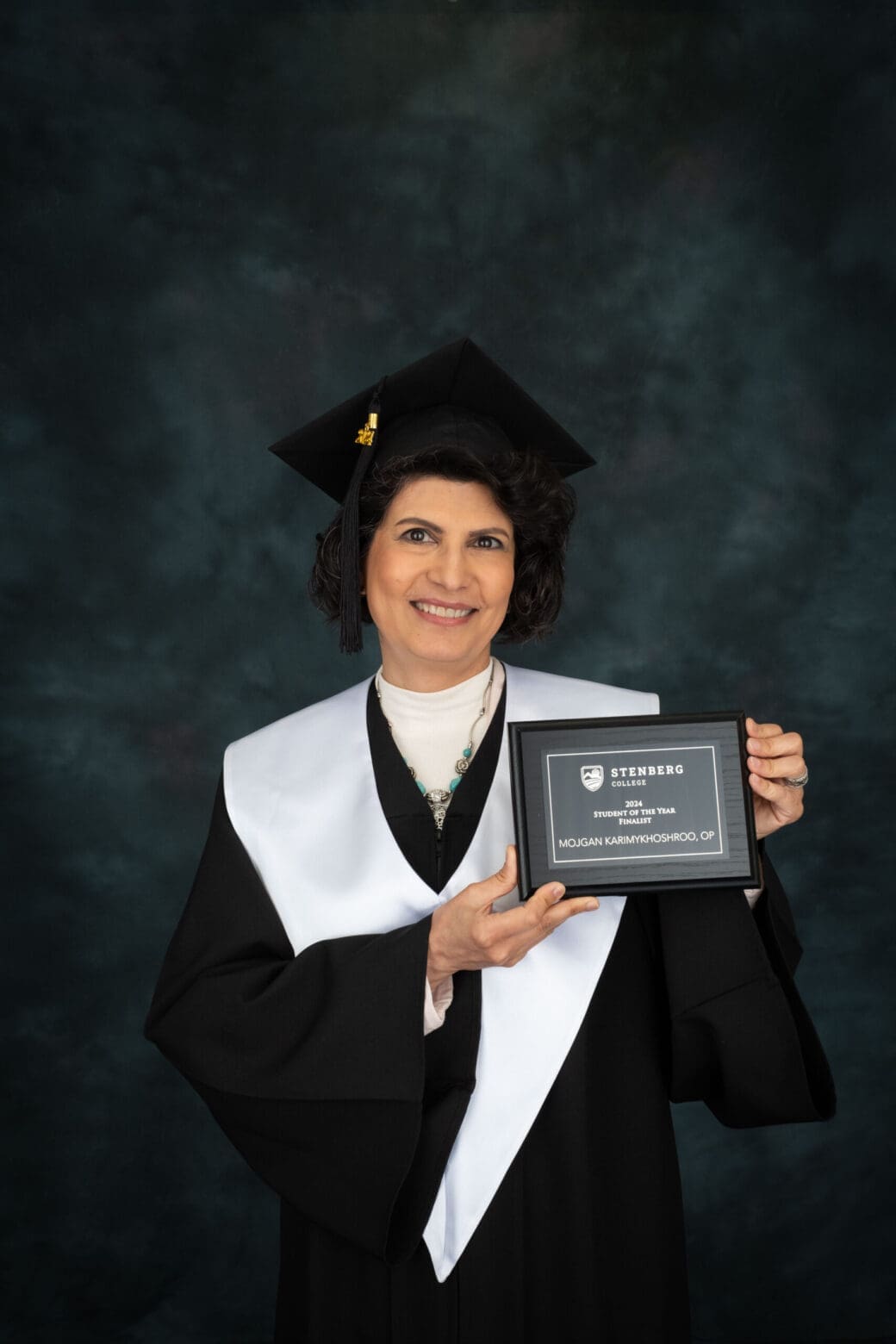
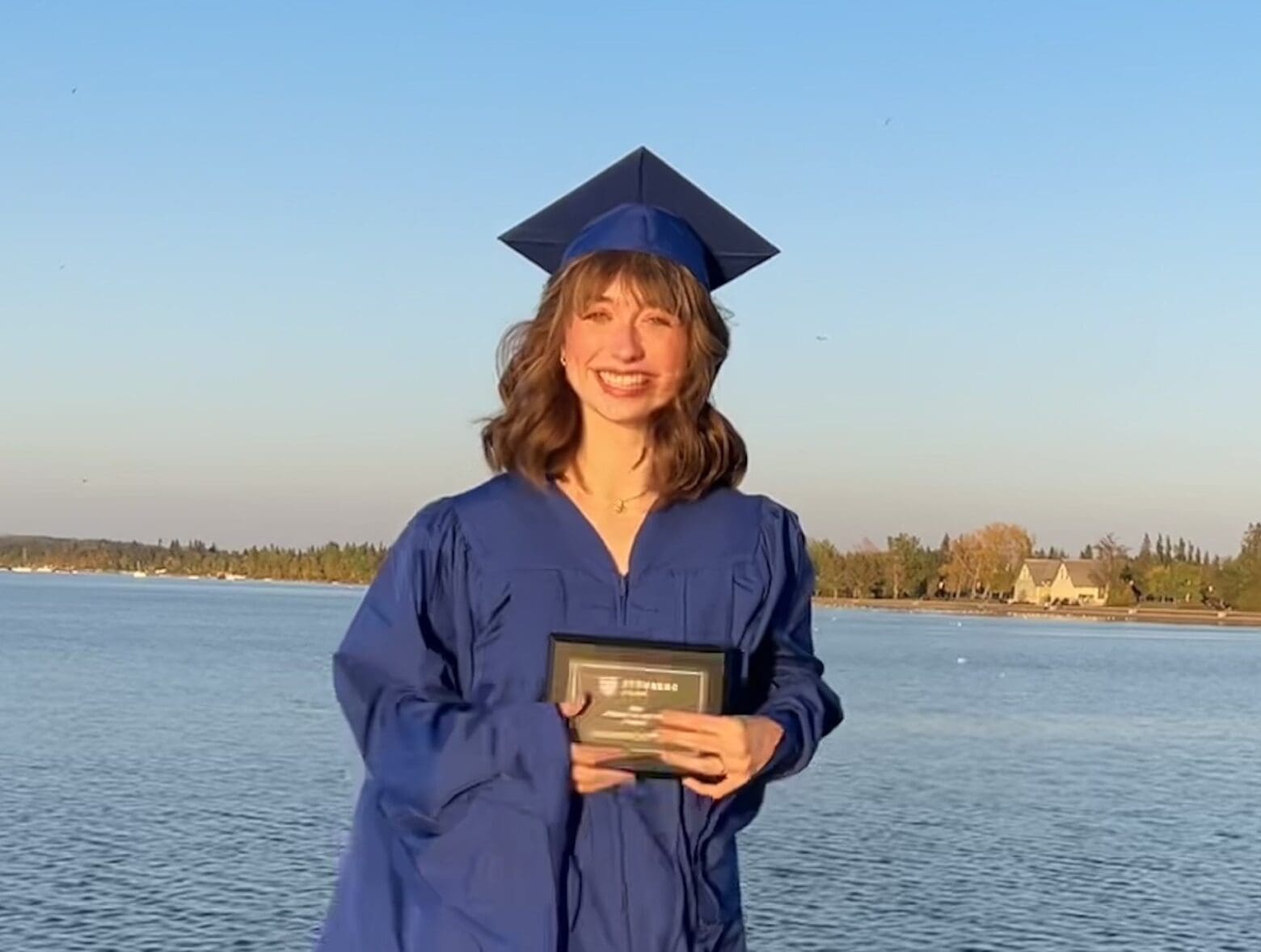
Stories from our Optician Diploma grads

Loading stories...
Ask a Program Advisor
I understand that by submitting this form, I agree to receive periodic emails, phone calls and text messages (SMS) from Stenberg College. See our Privacy Policy. At any time you can opt out of SMS messaging by replying STOP. See our SMS Terms. Message and data rates may apply.
We're Here to Help
Our admissions advisors are here to help you find the right program and navigate your path to a rewarding career.
I understand that by submitting this form, I agree to receive periodic emails, phone calls and text messages (SMS) from Stenberg College. See our Privacy Policy. At any time you can opt out of SMS messaging by replying STOP. See our SMS Terms. Message and data rates may apply.
We're Here to Help
Our admissions advisors are here to help you find the right program and navigate your path to a rewarding career.
We use cookies to improve your experience and personalize ads. See our Privacy Policy.