
Early Childhood Education Post-Basic Infant Toddler & Inclusive Education
Online theory
$28-$32/hour (includes a $6/hour government wage enhancement)
Start: January, April, July & October
29 weeks, including 12 weeks of practicum
Early Childhood Educator Registry
About the Career
Early Childhood Educators (ECE) teach children during their formative years, from birth to age five. They develop and implement educational programs that stimulate children's intellectual, physical, social and emotional growth.
Our Early Childhood Education Post-Basic Infant Toddler & Inclusive Education diploma allows those who have already taken an Early Childhood Education Basic certificate to advance their career and education. It prepares graduates to work with infants, toddlers, and children with exceptionalities.
There has been an increased need for teachers trained to support infants, toddlers, and children with exceptionalities over the past 5 years. The B.C. Early Childhood Education Registry is encouraging Basic ECE teachers to continue their training and become Post-Basic educators to help fill this need.
Graduates from the Early Childhood Education Post-Basic Infant Toddler & Inclusive Education diploma are qualified for employment in:
- Childcare facilities caring for infants and toddlers (up to three years old)
- Programs with children who have exceptionalities or require extra support, from infancy to school age
Early Childhood Education Post-Basic Infant Toddler & Inclusive Education graduates are also prepared to handle a wider range of administrative and supervisory responsibilities.
Please note: This program is not eligible for the post-graduate work permit program.
Potential Employers
Early Childhood Educators (ECE) teach children during their formative years, from birth to age five. Post-Basic ECE graduates work with infants, toddlers, and children with exceptionalities.
Childcare facilities caring for infants and toddlers (up to three years old)
Programs with children who have exceptionalities or require extra support, from infancy to school age
About the Program
Our Early Childhood Education Post-Basic Infant Toddler & Inclusive Education diploma is 29 weeks and includes 12 weeks of practicum experience. You will gain the skills to support infants and toddlers (children from infancy to three years of age), and children with exceptionalities. It will also prepare you for a broader range of administrative responsibilities, including working in a supervisory capacity as a manager, consultant, or daycare owner.
Neuroscience research states that early brain development, particularly from birth to five years, establishes the foundation for all the cognitive learning, health and social relationships that will follow a child in their life. This program introduces you to relevant and related research and science, so that you can best support children during this time. By the end of the program, you will better understand the growth and development patterns of infants and toddlers, and be able to identify typical and atypical patterns of development. This ability will be essential in your role as an infant, toddler, and inclusive education educator.
This program is delivered online. It is designed for individuals who may be balancing other responsibilities, such as work and family. If you are currently working as an Early Childhood Education and your facility cares for infants, toddlers, and children with exceptionalities, you may be able to complete your practicum at your place of work.
This program is recognized by the B.C. Ministry of Children and Family Development's ECE Registry.
Related Programs
Post-Graduation Pathways
Articulation Agreement with BCIT
Graduates of our Early Childhood Education program are eligible to apply for BCIT's Advanced Diploma in Business Management.
Upon completion of Stenberg's Early Childhood Education program, with an additional 1 year full-time at BCIT, you can acquire an Advanced Diploma in one of Canada's largest business schools, obtaining skills and experiences that will prepare you for the next step in your career.
Articulation - Direct Pathway (Post-Graduation)
Stenberg Early Childhood Education Program
58 Weeks
→BCIT Advanced Diploma in Business Management
1 Year Full-Time
→BCIT Bachelor of Business Administration
1 Year Full-Time
After completing BCIT's Business Management Advanced Diploma, students have the option to enroll in BCIT's Bachelor of Business Administration (BBA), earning a degree that emphasizes critical and strategic thinking.
Learn more about the Stenberg-BCIT Pathway.
Accreditation and Recognition
Stenberg College is designated by the BC government's Ministry of Advanced Education through the Private Training Institutions Regulatory Unit (PTIRU). This program is approved by the PTIRU of the Ministry of Post-Secondary Education and Future Skills. PTIRU is responsible for setting standards of quality and ensuring consumer protection. Stenberg College has also received the BC government's Education Quality Assurance (EQA) designation, which is BC's brand or "seal" of quality post-secondary education for public and private institutions.
Admission Requirements
- Grade 12 graduation or Mature Student Status (19 years of age or older)
- Successful completion of the Basic ECE (Certificate) level program
- Successful completion of the online Computer Skills Entrance Test (minimum 70%)
Completion of a criminal record check through the Criminal Records Review Program (CRRP) online system at the time of program commencement will be required. Students will be provided with details on how to submit their criminal record check with a vulnerable sector search at the start of the program. Should a student wish to complete this step prior to the program start date, please contact your Program Advisor.
English is the language of instruction at Stenberg College. Therefore, all applicants must demonstrate an adequate level of English proficiency to ensure success in any program and courses by meeting one of the following minimum requirements:
- 1) Evidence of completion of 3 years of full-time Secondary if Grades 8-12, or 2 years of Secondary if Grades 10-12, or 2 years of Post-Secondary education in English in a country where English is one of the principal languages. (Language courses cannot be included in this calculation)
- OR 2) Graduation from the Basic ECE (Certificate) level program at Stenberg College from 2023 onwards. Or evidence of graduation from a recognized Basic ECE (Certificate) level program from 2025 onwards from an institution in BC where the medium of instruction was English
- OR 3) Submit the results of one of the accepted English language proficiency tests at the score level specific to the program as listed in the admission requirements below: IELTS Academic – Overall band score of 6.0 with no component less than 5.5 Duolingo – Overall score of 105 with no component less than 85 CELPIP – Overall score of 7 with no component less than 6 TOEFL – Minimum overall score of 68 prior to Jan 21, 2026 TOEFL – Minimum overall score of 3.5 after Jan 21, 2026 CAEL – Minimum overall score of 50 Pearson PTE Academic - Minimum overall score of 50
- OR 4) Mature students that are 19 years of age or older at the start of the program and a Canadian citizen or permanent resident who cannot access their educational records or provide sufficient evidence of secondary or post-secondary education as outlined above: a. complete an English Language Attestation to confirm completion of 3 years of full-time instruction in English in a country where English is one of the principal languages, AND b. complete an Accuplacer Next Generation English Assessment with minimum scores of: Reading 230, Writing 230, Writeplacer 4
Evidence may be demonstrated by providing a high school transcript, completion of a provincial Adult Graduation program, permanent student record, GED, or by providing international education credentials confirming medium of instruction in English as recognized through WES, ICES, or IQAS. Alternatively, where 2 years of post-secondary education are being determined based on credits, it is expected that the student has taken studies with a minimum of 18 credits per academic year and/or indicates completion of a minimum of 36 credits in total.
For regulated programs, language proficiency requirements, including permitted tests and scores dictated by the regulatory body, will supersede all else.
Student Diversity
Stenberg supports diversity in our student population, and we hold one seat per program for a self-identified Indigenous applicant who meets admission requirements. If the seat remains unfilled at 12 weeks prior to the program start, the seat will be released and offered to other qualified applicants.
Program Courses
Orientation and Student Success Skills
This course will provide an orientation to Stenberg College and the Early Childhood Education program. This course will prepare you to be a successful college student. You will identify your learning style, critical thinking, and learn about the available resources. You will learn effective reading, writing, and study habits. You will learn what is expected of a college student, like communication, accountability/responsibility, teamwork, self-awareness, and following policies.
Advanced Child Growth & Development
This course will review and expand on information on typical and a-typical growth and development of children from birth to school age. Major theories in the area of Child Growth and Development will be evaluated and re-examined with a particular focus being on all the key domains of development related to infants, toddlers and children with exceptionalities.
Interacting with Families, School and Community
This course examines the knowledge, strategies and competencies needed by Early Childhood Educators to effectively work with families of infants and toddlers and children with exceptionalities. It focuses on communication skills that encourage positive relationships with families, professionals and communities.
Advanced Health, Safety and Nutrition
This course, as an extension of the Health, Safety and Nutrition course in the ECE Basic Program, will provide you with the knowledge and skills for planning, implementing and evaluating health practices for infants, toddlers, preschoolers, and children who need extra support in integrated and infant/toddler settings. Emphasis will be placed on creating policies and practices that promote positive habits and attitudes towards health, safety and nutrition and ensure the health and well-being of children.
Administration Skills for Child Care Centres
This course examines the role of an administrator in an Early Childhood Program. This will include effective staff supervision, models and techniques for evaluating and motivating staff, the budgeting process, advertising and marketing strategies. You will learn about funding that is available from all levels of government as well as service organizations in the private sector.
Foundations of Working with Infants and Toddlers
This course examines the challenges and characteristics of providing quality programs for infants and toddlers. It explores programming techniques which respond to individual and group needs of children up to 36 months of age. The focus of this course is on developing an awareness of the critical importance of care and interaction in the lives of infants and toddlers.
Program Planning for Infants and Toddlers
This course examines characteristics of quality programs for infants and toddlers. It explores programming techniques and use of developmentally appropriate materials which respond to individual and group needs of children up to 36 months of age. There is focus on designing curriculum for infants and toddlers that is responsive to the changing developmental needs of that age group.
Foundations of Working with Children with Exceptionalities
This course explores the family centered approach which focuses on promoting social interactions amongst children with exceptionalities. You will be assisted to develop specialized skills in the care and guidance of working with children who require additional support and developmental differences will be reviewed in detail.
Program Planning for Children with Exceptionalities
This course explores the selection and use of appropriate assessment materials and intervention techniques for working with children who have exceptionalities. It examines the adaptation of curriculum to meet special care needs in various group care environments. Practical strategies to create quality inclusive learning environments for young children will be discussed.
Infant / Toddler Practicum
The Infant Toddler Practicum is a minimum of 200 hours of a guided, supervised experience in a licensed infant/toddler program. This practicum will give you opportunities to practice working with children from birth to 36 months. It includes both theory and developmentally appropriate practices. You will demonstrate programming, guiding, and caring for this age group of children.
Inclusive Education Practicum
The Inclusive Education Practicum is a minimum of 200 hours of a guided, supervised experience in a licensed early childhood program that is inclusive of children that require additional support. This practicum will give you opportunities to practice working with children with a variety of exceptionalities. It includes both theory and developmentally appropriate practices. You will demonstrate programming and guiding and caring for children with exceptionalities.
Optional Certification
Students have the option to complete the Personal & Professional Development Skills Certificate.
Personal & Professional Development Skills Certificate
The Personal and Professional Development (PPD) Skills Certificate is a combination of interactive, online modules and synchronous follow-up discussions that apply the general module content to the specifics of your program and future career. In addition to the Soft Skills Development module, you will develop your ability to work with diverse clients, patients, and colleagues through the Gender Diversity and Sexual Orientation; Disability, Neurodiversity, and Accessibility; Anti-Indigenous Racism and Indigenous Gender Diversity; and Anti-Racism modules.
Student Support
- Academic tutoring
- Assessment and skill development support
- Open study skills tutorials
- Typing practice support
- One-on-one student support coaching sessions
- English language learning support
- Online learning resources
- Online academic journals and databases
- Campus life events
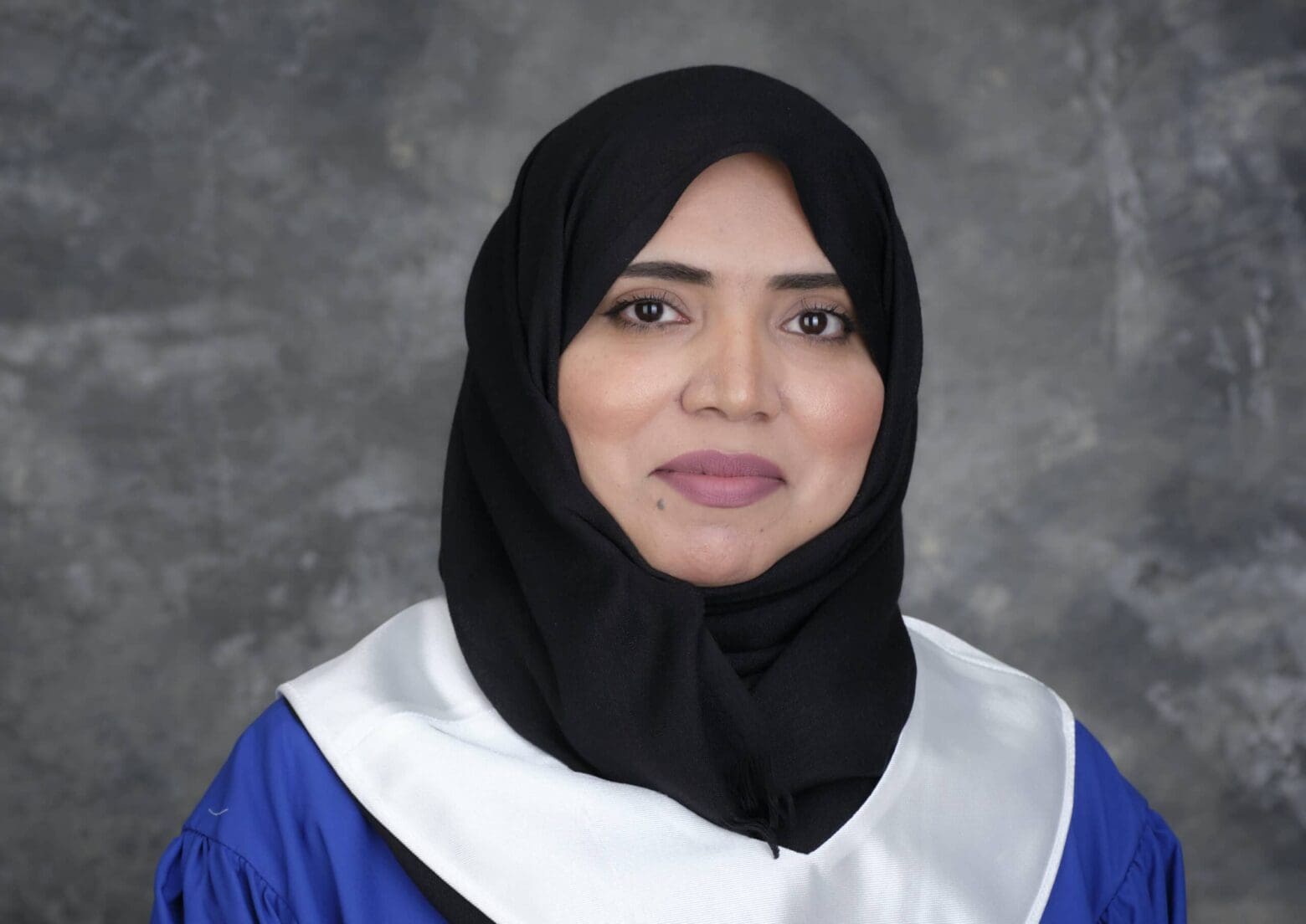
Stories from our Early Childhood Education Post-Basic Infant Toddler & Inclusive Education grads


Loading stories...
Ask a Program Advisor
I understand that by submitting this form, I agree to receive periodic emails, phone calls and text messages (SMS) from Stenberg College. See our Privacy Policy. At any time you can opt out of SMS messaging by replying STOP. See our SMS Terms. Message and data rates may apply.
We're Here to Help
Our admissions advisors are here to help you find the right program and navigate your path to a rewarding career.
I understand that by submitting this form, I agree to receive periodic emails, phone calls and text messages (SMS) from Stenberg College. See our Privacy Policy. At any time you can opt out of SMS messaging by replying STOP. See our SMS Terms. Message and data rates may apply.
We're Here to Help
Our admissions advisors are here to help you find the right program and navigate your path to a rewarding career.
We use cookies to improve your experience and personalize ads. See our Privacy Policy.