
Therapeutic Recreation Assistant - Gerontology Program
Online with local practicums
$28-$31/hour
General Scholarship - $2,000 Health Care Assistant Scholarship - $3,000
Start: April & October
38 weeks, including a 6-week practicum
About the Career
Therapeutic Recreation Assistants help older adults rediscover joy. Using a person-centred approach, Therapeutic Recreation Assistants assist each individual in pursuing past recreational and leisure activities while also learning new ones. They enhance the quality of life of older adults while maintaining their independence and well-being. This is a career for well-trained, passionate, and caring individuals who want to make a difference in the lives of older adults.
Therapeutic Recreation addresses the whole person, focusing on their social, physical, emotional, cognitive, and spiritual domains. As defined by Iso-Ahola (1980), “Therapeutic Recreation is purposeful intervention designed to improve the client’s quality of life through recreation and leisure.” The programs and leisure activities that Therapeutic Recreation Assistants design are evidence-based and outcome-focused. Most importantly, they are person-centred.
Older adults are the fastest-growing age group in Canada, resulting in an urgent and increasing need for professionals who can support and promote optimal health for this generation.
Potential Employers
Therapeutic Recreation Assistants (TRAs) help older adults rediscover joy. By using a person-centred approach, TRAs assist each individual in pursuing past recreational and leisure activities while also learning new ones.
Community & Senior Centres
Residential Settings (Long-term Care)
Assisted Living Housing units
Adult Day Centres
Rehabilitation Centres
About the Program
This 38-week online diploma program includes a six-week practicum in your home community. Theory is delivered entirely online, practicums will take place in your home region.
This program is collaborative and engaging. In your virtual classroom, you will make friends, receive support, and collaborate with classmates to learn and grow together.
This program is purposeful. Therapeutic Recreation Assistants support and promote optimal health in older adults through recreation and leisure activities that include arts and crafts, music, gardening, games, social events, outings, entertainment, and exercise.
This program is rewarding. Taking a person-centred approach, you will design and lead programs and activities for older adults that bring joy to their lives, and yet, the joy you receive will be greater than the joy you give.
Related Programs
Accreditation and Recognition
Stenberg College is designated by the BC government's Ministry of Advanced Education through the Private Training Institutions Regulatory Unit (PTIRU). This program is approved by the PTIRU of the Ministry of Post-Secondary Education and Future Skills. PTIRU is responsible for setting standards of quality and ensuring consumer protection. Stenberg College has also received the BC government's Education Quality Assurance (EQA) designation, which is BC's brand or "seal" of quality post-secondary education for public and private institutions.

Admission Requirements
- Grade 12 graduation or mature student status (19 years of age or older)
- Grade 11-level English course or higher, or one of the following:Acceptable score in one of the approved LPR tests as noted belowAccuplacer: Reading 230, Writing 230 and WritePlacer 4CLBPT: No component less than 6English challenge exam (minimum 70%)
- Successful completion of the online Computer Skills Entrance Test (minimum 70%)
- Completion of Stenberg College entrance informational interview
- Completion of a Criminal Record Consent Form under the Criminal Record Review Act
English is the language of instruction at Stenberg College. Therefore, all applicants must demonstrate an adequate level of English proficiency to ensure success in any program and courses by meeting one of the following minimum requirements:
- 1) Evidence of completion of 3 years of full-time Secondary if Grades 8-12, or 2 years of Secondary if Grades 10-12, or 2 years of Post-Secondary education in English in a country where English is one of the principal languages. (Language courses cannot be included in this calculation)
- OR 2) Submit the results of one of the accepted English language proficiency tests at the score level specific to the program as listed in the admission requirements below:IELTS Academic – Overall band score of 6.0 with no component less than 5.5Duolingo – Overall score of 105 with no component less than 85CELPIP – Overall score of 7 with no component less than 6TOEFL – Minimum overall score of 68CAEL – Minimum overall score of 50Pearson PTE Academic - Minimum overall score of 50
- OR 3) Mature students that are 19 years of age or older at the start of the program and a Canadian citizen or permanent resident who cannot access their educational records or provide sufficient evidence of secondary or post-secondary education as outlined above can: a. Complete an English Language Attestation to confirm completion of 3 years of full-time instruction in English in a country where English is one of the principal languages, ANDb. Complete an Accuplacer Next Generation English Assessment with minimum scores of: Reading 230, Writing 230 and WritePlacer 4
Evidence may be demonstrated by providing a high school transcript, completion of a provincial Adult Graduation program, permanent student record, GED, or by providing international education credentials confirming medium of instruction in English as recognized through WES, ICES, or IQAS. Alternatively, where 2 years of post-secondary education are being determined based on credits, it is expected that the student has taken studies with a minimum of 18 credits per academic year and/or indicates completion of a minimum of 36 credits in total.For regulated programs, language proficiency requirements, including permitted tests and scores dictated by the regulatory body, will supersede all else.
*Please note: Therapeutic Recreation Assistant is not a career listed under the British Columbia Professional Regulatory Authorities.
Additional note
This program is not eligible for Canada's Post-Graduate Work Permit Program.
Student Diversity
Stenberg supports diversity in our student population, and we hold one seat per program for a self-identified Indigenous applicant who meets admission requirements. If the seat remains unfilled at 12 weeks prior to the program start, the seat will be released and offered to other qualified applicants.
Program Courses
Orientation and Student Success Skills
This course will provide a comprehensive orientation to Stenberg College and the program of study. You will receive key program resources and information, as well as review effective learning and study strategies that focus on success skills for your own personal learning style. Life skills exercises are also integral to the course, teaching accountability, teamwork and self-awareness. You will be taught how to effectively navigate and learn within the program's online learning platform (Moodle).
Interpersonal Communication
You will learn theoretical and practical skills to promote effective communication with clients and co-workers in a therapeutic relationship. You will be encouraged to become more aware of the impact of your own communication choices and patterns. You will have the opportunity to develop and use communication techniques that demonstrate personal awareness, respect, and active listening skills. Communication theory, therapeutic communication, cross-cultural communication, and effective teamwork will all be covered.
Physiology, Aging and Physical Activity
This course is an introduction to common medical terminology and the body systems and sense organs. You will explore each system including: an overview of that system's general function; system parts, their specific function and location; relationship with other systems; and common pathologies including signs and symptoms and prognosis of those pathologies. Health promotion strategies related to each system will also be discussed.
Human Development across the Lifespan
Understanding human development is basic to therapeutic practice and is essential for all work with clients. Starting with child development, you gain an overview of early childhood studies before moving on through adolescence and into older adulthood. There will be an introduction to contemporary issues of the older adults examining work and retirement, and social relationships. Death and dying will also be discussed within this course.
Introduction to Therapeutic Recreation
You will be introduced to the theory and historical development of the therapeutic recreation profession. Scope of practice and models of therapeutic recreation will be discussed. You will explore the domains of wellness, determinants of health, and health promotion strategies.
Foundations of Therapeutic Recreation
This course will introduce you to the skills and standards needed for success in this field. The concepts of recreation and leisure will be studied and their significance to the individual. You will also gain an overview of the National Standards of Practice and Code of Ethics within Canada. Historic and current perspectives and industry practices will be examined as well as an overview of the different delivery settings. Inter-professional practice will be discussed as well as exploring the concepts of professionalism, and ethical practice. An introduction to risk management and holistic health will also be explored.
Variations in Health: Focus on Aging
This course introduces you to the normal bodily changes associated with aging. You will explore common challenges to health in older adults including strokes, heart attacks, dementia, depression, and Alzheimer's. Creative and effective therapeutic recreation interventions for different conditions will be reviewed as well as the impact of social structures and attitudes. End of life care will also be discussed and cultural diversity in approaches will be considered. You will also discuss mental health and harm reduction strategies.
Person-Centered Care & Dementia Programming
This course develops communication and relational skills for working with older adults, particularly those experiencing sensory, language, or cognitive challenges. You will learn to build trust, navigate diversity, manage agitation, and contribute to interdisciplinary teams. Emphasis is placed on person-centred care approaches and understanding the basic human needs of individuals with dementia. You will explore different types of dementia, common behavioural expressions, environmental stressors, and evidence-informed dementia programming. Practical strategies for facilitating therapeutic relationships and involving families in care are also addressed.
Sociology of Aging
You will look at separating out common myths from the realities of aging. Taking a sociological viewpoint, you will explore the implications of an aging population on economy, health care, social, and public policy within our global and Canadian society. The relationship between leisure and aging will be examined including the concepts of health promotion, physical and mental wellness, normal ageing changes, continued independence, and exploration of community resources.
Group Dynamics & Engagement in Therapeutic Recreation
This course focuses on developing the knowledge and skills necessary to effectively facilitate group experiences in therapeutic recreation settings. You will explore group dynamics, communication, public speaking, and leadership theory with an emphasis on practical facilitation techniques. Topics include decision making, conflict resolution, risk management, and creating inclusive, engaging recreation experiences. You will also gain experience in marketing recreation programs and supporting volunteer engagement, with opportunities for self-reflection and applied learning throughout.
Program Planning & Facilitation Techniques
This course provides a comprehensive study of program planning and facilitation within the Therapeutic Recreation (TR) process. You will learn to apply the APIE-D model (Assessment, Planning, Implementation, Evaluation, Documentation) in delivering inclusive, client-centered recreation programming. Emphasis is placed on practical skills such as goal setting, session planning, activity analysis, documentation, and group facilitation. You will explore a variety of program types and evidence-based facilitation techniques, with special attention to programming for older adults and individuals with dementia. The course also examines adaptive devices, motivational strategies, and the use of community and online resources. By the end of the course, you will be able to design, lead, and evaluate recreation programs that enhance well-being and quality of life, while working within the professional scope of a Recreation Therapy Assistant (RecTA).
Career Search Strategies
You learn to network effectively (online and in person), to search, and apply for jobs and to prepare targeted resumes and cover letters. You are also provided with coaching and individualized instructor feedback on your resume, cover letter, and interview skills.
Consolidated Practice Experience
A six-week final practicum concludes the program and facilitates your transition from student to graduate. A designated mentor will guide and encourage you to apply your knowledge, insight, and skills in a professional geriatric focused setting. You will be required to be available during the day, afternoon, evening, and weekends.
Workplace Hazardous Materials Information System (WHMIS)
WHMIS provides information about materials in the workplace that can be hazardous, such as cleaning agents, compressed gases, and flammable materials. Becoming WHMIS certified will demonstrate the ability to identify hazardous materials and handle them properly.
Food Safety Training
You'll learn how to prepare food in a way that protects customers from injury or illness. Some of the topics covered are food-borne diseases, personal hygiene, and safe procedures for storing.
Provincial Violence Prevention
The Provincial Violence Prevention Training Curriculum will teach you to recognize and respond to violent situations and learn about different types of violence and strategies for dealing with the risks in a variety of health care contexts. The Provincial Violence Prevention Curriculum has been developed by a team of experts from Worksafe BC, the Occupational Health & Safety Agency for healthcare in BC, as well as BC health authorities and healthcare unions. This training and certification is offered in collaboration with Fraser Health Authority.
Serving It Right
Serving It Right is a mandatory course that educates licensees, managers, and servers about their legal responsibilities when serving alcohol, and provides effective techniques to prevent problems related to over-service.
Care and Connection on the Dementia Journey
This six-module online course, developed in collaboration with the Alzheimer Society of B.C., makes learning about dementia easy. Whether you're a frontline care provider, a family caregiver, or a leader in healthcare, this course offers flexible, self-paced learning that fits into your life.
Personal & Professional Development Skills Certificate
The Personal and Professional Development (PPD) Skills Certificate is a combination of interactive, online modules and synchronous follow-up discussions that apply the general module content to the specifics of your program and future career. In addition to the Soft Skills Development module, you will develop your ability to work with diverse clients, patients, and colleagues through the Gender Diversity and Sexual Orientation; Disability, Neurodiversity, and Accessibility; Anti-Indigenous Racism and Indigenous Gender Diversity; and Anti-Racism modules.
StrongerU Senior Fitness
This workshop trains you to deliver fitness classes for seniors. You will learn the fundamentals of senior fitness instruction including; anatomy, foundations in human movement, coaching techniques, modifying and adapting to fitness levels, and more before learning and demonstrating specific fitness class choreography.
Student Support
- Academic tutoring
- Assessment and skill development support
- Open study skills tutorials
- Typing practice support
- One-on-one student support coaching sessions
- English language learning support
- Online learning resources
- Online academic journals and databases
- Campus life events
Free Therapeutic Recreation Assistant Guide Book
A Stenberg College Publication
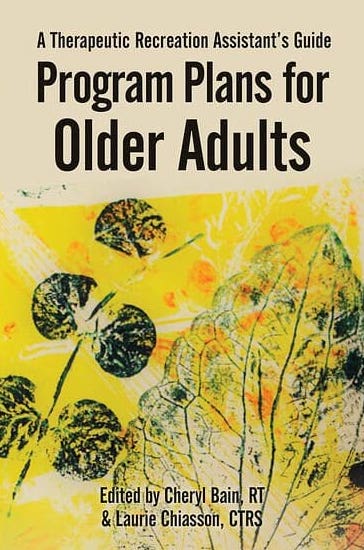
Therapeutic Recreation addresses the whole person, focusing on their social, physical, emotional, cognitive and spiritual domains. As defined by Iso-Ahola (1980), "therapeutic recreation is purposeful intervention designed to improve the client's quality of life through recreation and leisure." The programs and leisure activities that Therapeutic Recreation Assistants design are evidence-based and outcome-focused. Most importantly, they are person-centred.
Each of the program plans in A Therapeutic Recreation Assistant's Guide: Program Plans for Older Adults was developed by a Stenberg College student as part of their coursework. They are excellent examples of evidence-based, outcome-focused and person-centred programming.
Stories from our Therapeutic Recreation Assistant - Gerontology Program grads
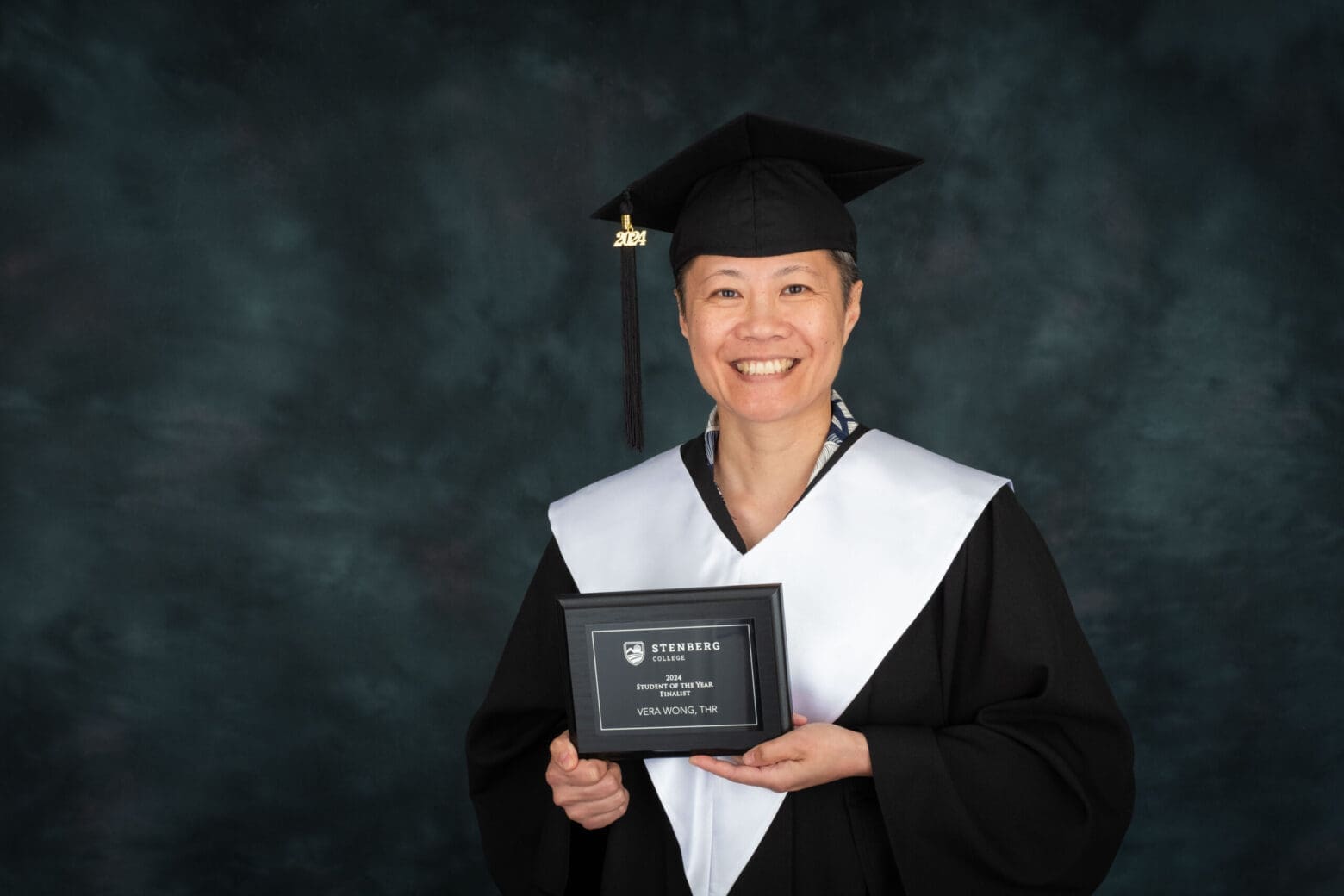
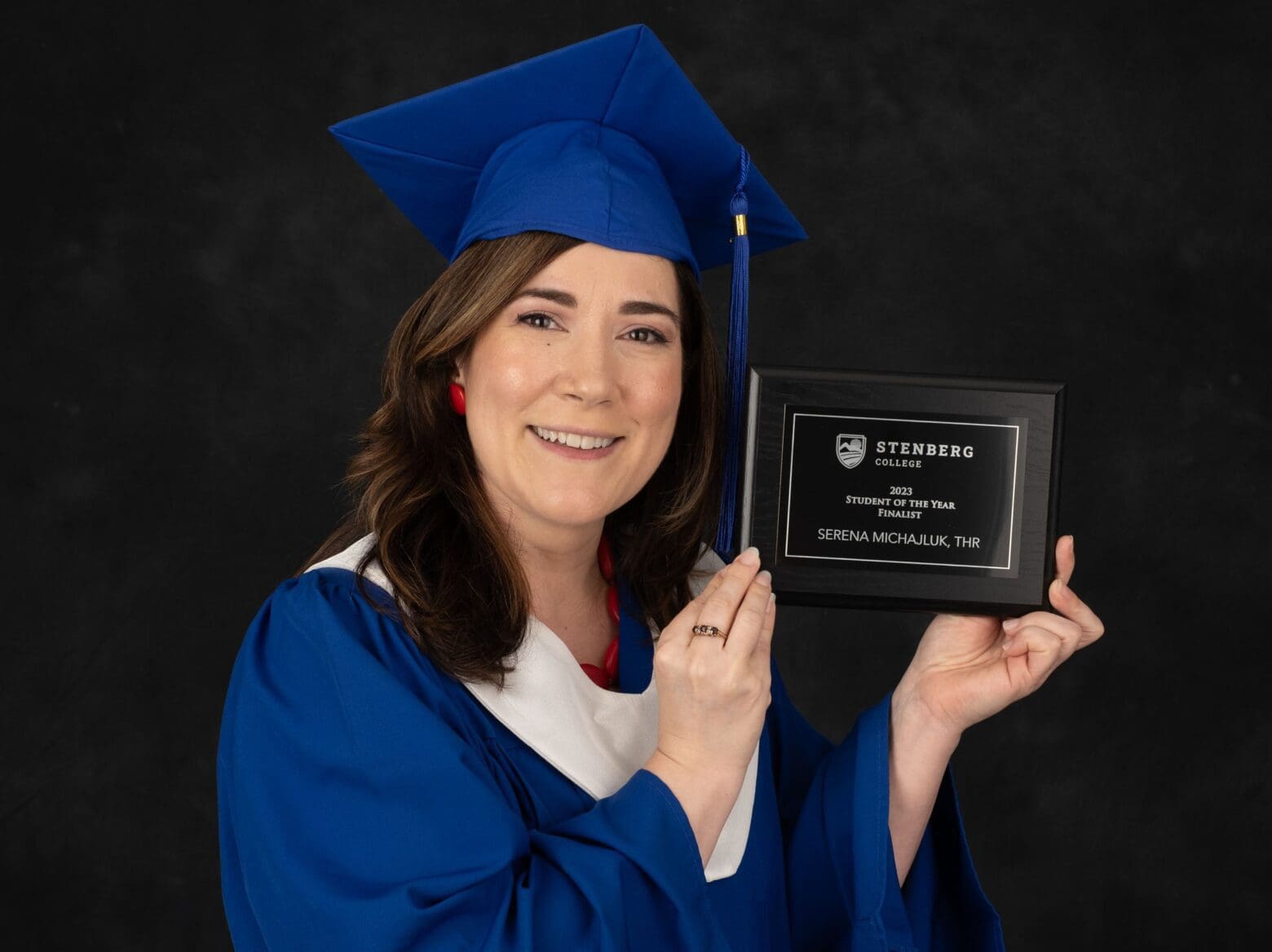




Loading stories...
Ask a Program Advisor
I understand that by submitting this form, I agree to receive periodic emails, phone calls and text messages (SMS) from Stenberg College. See our Privacy Policy. At any time you can opt out of SMS messaging by replying STOP. See our SMS Terms. Message and data rates may apply.
We're Here to Help
Our admissions advisors are here to help you find the right program and navigate your path to a rewarding career.
I understand that by submitting this form, I agree to receive periodic emails, phone calls and text messages (SMS) from Stenberg College. See our Privacy Policy. At any time you can opt out of SMS messaging by replying STOP. See our SMS Terms. Message and data rates may apply.
We're Here to Help
Our admissions advisors are here to help you find the right program and navigate your path to a rewarding career.
We use cookies to improve your experience and personalize ads. See our Privacy Policy.